
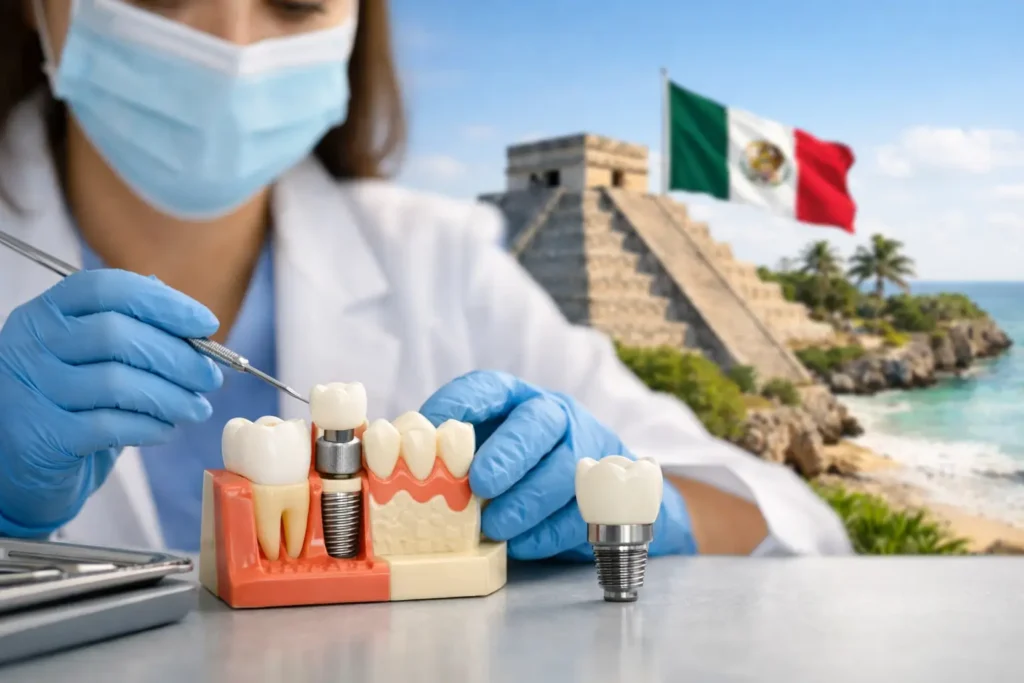
A tooth can look almost normal and still need meaningful protection. A large filling may be cracking at the edges, a root canal can leave a tooth more fragile, or years of wear may have changed how your bite feels. Dental crown treatment Mexico gives patients a way to restore strength, function, and appearance without overlooking the health of the tooth underneath.
For patients traveling from Arizona, Southern California, Nevada, and beyond, a crown should never be treated as a quick cosmetic purchase. It is a precisely planned restoration that must fit your tooth, your gums, and the way you bite. The best result is one that looks natural, feels comfortable, and supports long-term oral health.
When a Dental Crown Is the Right Solution
A dental crown is a custom restoration that covers the visible portion of a damaged or weakened tooth. It is designed to protect the remaining tooth structure while restoring its shape and chewing surface. Crowns are commonly recommended when a tooth has a large cavity or filling, a fracture, severe wear, discoloration that cannot be corrected conservatively, or damage following root canal treatment.
A crown may also complete an implant restoration. In that case, the crown replaces the visible part of a missing tooth and attaches to an implant that has been placed in the jawbone. Although both are called crowns, the planning is different: a crown over a natural tooth protects what remains, while an implant crown replaces a tooth that is no longer there.
Not every damaged tooth needs a crown. A smaller cavity may be treated with a filling, and a tooth with enough healthy structure may be a candidate for an inlay or onlay. Your dentist should explain why a crown is recommended, what alternatives exist, and what could happen if treatment is delayed. That conversation helps you make a confident decision based on your needs, not just the appearance of the tooth.
What Happens During Dental Crown Treatment in Mexico
The process begins with a thorough examination. Your dental team evaluates the tooth, surrounding gums, roots, bite, and any signs of infection or decay. Digital imaging may be used to see areas that are not visible during a standard exam. If there is active gum disease, untreated decay, or an issue at the root, those concerns should be addressed before a final crown is placed.
Once the tooth is ready, the dentist gently reshapes it to create space for the crown. An impression or digital scan records the exact contours of the prepared tooth and neighboring teeth. This detail matters because a crown must fit closely at the gumline and meet the opposing teeth correctly. A temporary crown may be placed while the final restoration is created.
At a later visit, the dentist checks the permanent crown for fit, color, contour, and bite before securing it. The final adjustment is not a minor step. Even a beautifully made crown can feel uncomfortable if it is too high or if the bite is not balanced. Your dentist should make sure you can chew comfortably and that the restoration blends naturally with your smile.
For patients with limited time in the area, the number and timing of appointments depend on the condition of the tooth, the chosen material, laboratory workflow, and whether additional treatment is needed. A straightforward case may move quickly, while root canal treatment, gum care, implant planning, or healing time can extend the timeline. A personalized plan is more valuable than a rushed promise.
The role of a dental laboratory
Crowns are not one-size-fits-all restorations. A dedicated dental laboratory can help create a crown that reflects the shade, translucency, shape, and proportions of your natural teeth. This is especially valuable for front teeth, where small details can make a major difference in the final smile.
Close collaboration between the treating dentist and laboratory also supports accuracy. At Rio Colorado Dental Group, coordinated care and in-house laboratory support help bring clinical planning and aesthetic goals together in one place.
Choosing a Crown Material
The best crown material depends on the tooth’s location, the amount of bite force it receives, your aesthetic goals, and the condition of the teeth around it. There is no single material that is ideal for every patient.
All-ceramic crowns are often chosen for their natural appearance, particularly in visible areas of the smile. They can reflect light in a way that closely resembles enamel. Zirconia is valued for strength and can be an excellent option for back teeth or patients with heavy biting forces. Porcelain fused to metal can provide durability in certain cases, although it may not offer the same translucency as newer ceramic options.
Your dentist may also consider whether you grind or clench your teeth. A crown can be strong, but repeated excessive force can damage both natural teeth and restorations. If bruxism is part of the picture, a custom night guard may be recommended to protect your investment.
Questions to Ask Before You Commit
Whether you live locally or are planning a dental visit from the United States, clear communication should be part of your care. Ask what condition the tooth is in, whether a root canal or gum treatment is needed, and which crown material is being recommended. You should also understand the expected number of visits, any temporary restoration requirements, and how follow-up care will be handled.
It is also reasonable to ask about the dentist’s approach to shade matching and bite adjustments. A crown should not simply be durable. It should be comfortable during daily eating, fit naturally along the gumline, and support a smile you feel good about showing.
For U.S. patients using dental insurance, coverage varies by plan and by the reason for treatment. Many plans offer partial benefits for medically necessary restorative work, but limitations, waiting periods, deductibles, and annual maximums may apply. Bring your insurance information and ask the clinic how it can help you understand your benefits before treatment begins.
Planning Care Across the Border
Convenience matters, but it should not replace clinical planning. San Luis Río Colorado offers accessible care for patients in the border region, including those traveling from Yuma and nearby Arizona communities. Still, travel plans should leave room for the actual needs of the treatment rather than forcing a complex case into an unrealistic schedule.
Before your appointment, share any recent X-rays, treatment records, medications, allergies, and relevant medical conditions. If you have pain, swelling, a loose tooth, or a broken restoration, mention it when scheduling. That information allows the dental team to prepare for the right type of visit and coordinate specialist care when necessary.
After crown placement, mild sensitivity can occur for a short time, particularly if the tooth was extensively treated. Contact your dental office if you have persistent pain, swelling, a crown that feels high when you bite, or a restoration that becomes loose. Prompt attention can prevent a small adjustment from turning into a larger problem.
Protecting Your Crown and Natural Teeth
A crown can last for many years with thoughtful care, but it still depends on the health of the tooth and gums supporting it. Brush twice daily with fluoride toothpaste, clean between teeth every day, and keep up with professional cleanings and exams. The edge where the crown meets the natural tooth can still develop decay if plaque is allowed to build up.
Avoid using your teeth to open packages or bite hard nonfood objects. If you enjoy foods that are especially hard or sticky, use common sense and chew carefully. Most importantly, do not ignore bleeding gums or recurring sensitivity around a crown. Healthy gums are essential to keeping any restoration stable and attractive.
A well-planned crown does more than repair a tooth. It can help you eat comfortably, speak confidently, and protect the healthy structure you still have. The right next step is a personalized evaluation that puts your comfort, your timeline, and your long-term smile first.
