
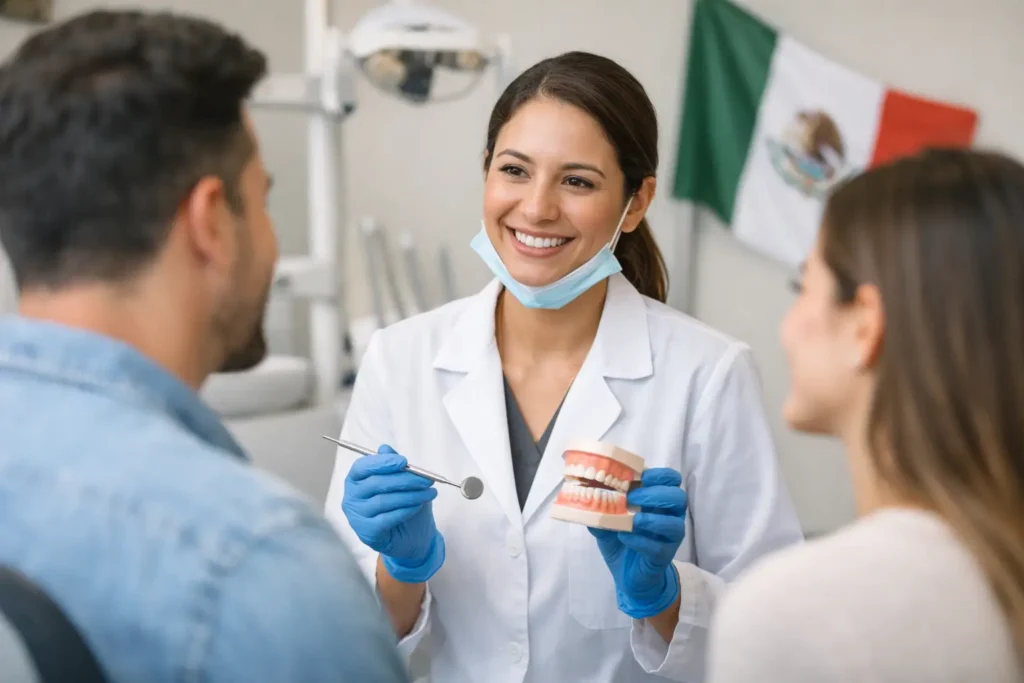
A dental visit should not leave you guessing about a diagnosis, the cost of treatment, or what happens after you return home. For patients crossing from Arizona, California, Nevada, and beyond, choosing a bilingual dentist in northern Mexico can make care feel more personal, more organized, and far less stressful.
Language access is about more than translating a few words at the front desk. It affects how confidently you can describe symptoms, understand your options, consent to treatment, and follow home-care instructions. When your dentist and care team communicate clearly in English and Spanish, you can focus on the goal: protecting your oral health and feeling great about your smile.
Why Bilingual Dental Care Makes a Difference
Dental decisions can be complex, especially when a treatment plan involves more than a routine cleaning or filling. A patient considering a root canal, dental implant, orthodontic treatment, gum therapy, or cosmetic restoration deserves plain-language answers at every stage.
Clear communication helps your provider understand the details that matter: when pain began, whether a tooth is sensitive to hot or cold, medications you take, past dental work, and your expectations for appearance and comfort. It also helps you understand the difference between treatments that may sound similar but serve different purposes. For example, a crown can protect a weakened tooth, while an implant replaces a missing tooth. The right choice depends on your health, bone support, budget, timing, and long-term goals.
For cross-border patients, bilingual communication also brings practical reassurance. You should be able to confirm appointment times, ask about documents needed for your visit, review payment or insurance questions, and know who to contact if you need assistance after treatment. That clarity is especially valuable when you are coordinating travel around work, family, or a planned stay in the border region.
What to Look for in a Bilingual Dentist in Northern Mexico
A welcoming English-speaking experience matters, but it should be paired with clinical depth. Look for a practice that can explain who will provide your care, what their specialty is, and why a particular treatment is being recommended.
A comprehensive clinic is often a practical choice when your needs go beyond preventive care. Rather than visiting separate offices for an exam, root canal, gum treatment, tooth replacement, and final restoration, coordinated care allows specialists to work from one treatment plan. That can reduce unnecessary delays and make it easier to see how each step supports the next.
Technology and an in-house dental laboratory can also matter, depending on the procedure. Digital imaging may help your team evaluate teeth, roots, bone, and bite alignment with greater precision. Dental-lab support can improve coordination for crowns, bridges, dentures, and cosmetic restorations because the clinical and restorative teams can communicate directly about fit, function, and shade.
Just as importantly, choose a clinic that does not rush the conversation. High-quality care is not defined by a single piece of equipment or a quick promise. It is defined by a thoughtful evaluation, appropriate diagnostics, an understandable plan, and a team that respects your questions.
Ask for a Plan You Can Understand
Before starting treatment, ask your provider to walk you through the recommended care in English. You should understand which treatment is urgent, which work can wait, and what could happen if you choose to postpone a procedure.
For larger plans, such as implant treatment or a full smile restoration, ask about sequencing. Some cases require healing time between surgical and restorative steps. Others may need periodontal treatment before cosmetic work or orthodontic alignment before final veneers or crowns. A responsible dental team will explain the timeline honestly instead of treating every case as a same-day solution.
It is also reasonable to ask about alternatives. In some situations, saving a natural tooth with endodontic treatment and a crown may be the best option. In others, extraction and replacement may be more predictable. The right answer depends on the condition of the tooth, surrounding bone and gums, your bite, and your personal priorities.
Questions Worth Asking Before You Book
A few direct questions can help you compare dental practices without turning the process into a confusing research project. Ask how the clinic handles the following:
- English-language consultations, written treatment plans, and post-treatment instructions
- The credentials and roles of general dentists and specialists involved in your case
- Estimated costs, available payment methods, and support for insurance documentation
- Follow-up needs, expected recovery time, and who to contact after your appointment
The answers should be clear and specific. Be cautious if a provider cannot explain why you need a procedure, avoids discussing possible limitations, or pressures you to decide before you have received enough information.
Plan Your Visit Around the Treatment, Not Just the Trip
Northern Mexico can be an accessible option for patients in the U.S. border region, but convenience should never replace proper planning. A cleaning or simple filling may fit easily into a short visit. More involved treatments may require a longer appointment, multiple visits, or time for healing before travel.
If you are considering oral surgery, implants, extractions, or extensive restorative work, ask whether you should avoid driving immediately afterward, especially if sedation is involved. Arrange transportation when appropriate. Plan for soft foods, medication pickup, and a lighter schedule if your procedure is likely to cause temporary swelling or discomfort.
Bring relevant records when you have them, including recent X-rays, a list of medications, known allergies, and information about prior dental treatment. Your new provider may still need updated diagnostic images, but existing records can add helpful context and prevent important details from being missed.
Insurance deserves its own conversation. Coverage for treatment received outside the U.S. varies by plan, and benefits may differ by procedure. Ask your insurer about your specific policy, then ask the dental clinic what documentation it can provide for a claim. A practice that accepts most insurance plans or works with insurance alliances can help make the process more manageable, but approval and reimbursement are ultimately determined by your insurer.
Comfort Is Part of Quality Care
Many patients postpone treatment because dental visits have felt impersonal, painful, or overwhelming in the past. A bilingual environment can reduce that anxiety by giving you room to speak freely and ask for clarification without embarrassment.
Comfort also comes from knowing that your care is coordinated. At Rio Colorado Dental Group, patients can access general dentistry, orthodontics, endodontics, periodontics, oral surgery, implantology, prosthodontics, and dental aesthetics through one multidisciplinary practice. That breadth is valuable when a simple concern turns out to need specialized attention, or when a health-focused treatment can be planned alongside an aesthetic goal.
The best dental experience balances appearance with health. Whiter teeth, straighter alignment, and natural-looking restorations can build confidence, but they should be supported by healthy gums, stable bite function, and a treatment plan designed to last. A provider who listens to both sides of that goal can help you make choices that feel good now and remain practical later.
Make Your First Conversation Count
Your first call or consultation is a useful test of the patient experience. Notice whether the team answers in the language you prefer, gives you time to explain your concerns, and provides straightforward next steps. You should leave the conversation knowing how to prepare, what the appointment will involve, and how to reach the office if your plans change.
The right dental team will not make you feel like a visitor passing through. It will treat your time, comfort, health history, and smile goals as part of the same conversation. When you are ready to take care of a tooth that has been bothering you or begin the smile improvement you have been considering, choose a practice where clear communication is built into your care from the beginning.
