
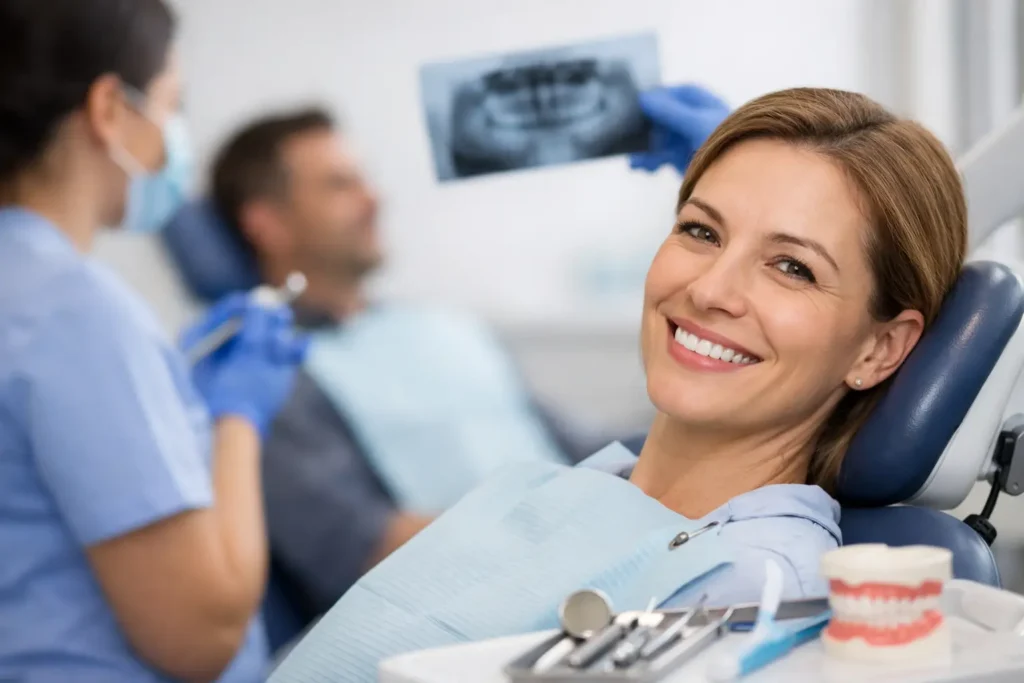
A tooth rarely goes from healthy to painful overnight. More often, small changes build quietly: plaque hardens near the gumline, a filling begins to leak, or gums bleed a little more often than they used to. Preventive dental care adults can rely on is designed to find and address those changes while treatment is simpler, more comfortable, and more affordable.
For adults balancing work, family, travel, and everyday expenses, routine dental visits can be easy to postpone. Yet prevention is not about chasing a perfectly white smile or scheduling appointments out of habit. It is about protecting your ability to eat comfortably, speak confidently, and keep your natural teeth for as long as possible.
What Preventive Dental Care for Adults Includes
Preventive care starts with regular dental examinations and professional cleanings, but it does not end there. Your dentist evaluates your teeth, gums, bite, existing restorations, and the areas that are easy to miss at home. When appropriate, digital X-rays help reveal decay between teeth, changes around tooth roots, bone loss, or problems under crowns and fillings before they create obvious symptoms.
A professional cleaning removes hardened plaque, called tartar or calculus, that brushing and flossing cannot remove once it has formed. This matters because tartar collects bacteria along and below the gumline. Left untreated, that inflammation can progress from gingivitis to periodontal disease, which can affect the bone that supports your teeth.
The right appointment schedule depends on your personal risk factors. Many adults benefit from checkups and cleanings every six months. If you have gum disease, dry mouth, frequent cavities, diabetes, tobacco use, extensive dental work, or a history of rapid plaque buildup, your dentist may recommend more frequent visits. More visits are not automatically better – they should match what your mouth needs.
Your medical history belongs in the dental conversation
Medications, health conditions, and lifestyle changes can affect your oral health. Some prescriptions reduce saliva, raising the risk of decay. Diabetes can make gum inflammation harder to manage, while pregnancy can make gums more sensitive and prone to bleeding. Grinding, snoring, stress, and changes in diet may also show up first in the mouth.
Bring up anything that has changed since your last visit, even if it does not seem directly dental. A coordinated dental team can tailor prevention around the whole picture instead of offering the same routine to every patient.
Daily Habits Do Most of the Work
A dental cleaning is valuable, but the care you provide between visits has the greatest effect on plaque control. Brush twice daily for two minutes with fluoride toothpaste, using gentle pressure and a soft-bristled brush. Hard brushing does not clean better. It can irritate gums and gradually wear away exposed root surfaces.
Clean between your teeth once a day. Floss works well for many people, while interdental brushes may be more effective around wider spaces, bridges, implants, or orthodontic appliances. The best option is the one you can use consistently and comfortably. If your gums bleed when you begin flossing, do not assume flossing is the cause. Bleeding is often a sign of inflammation. With gentle, regular cleaning, it should improve, but persistent bleeding deserves a dental evaluation.
Fluoride remains one of the most effective tools for preventing cavities in adults. It strengthens enamel and helps repair early mineral loss before a cavity becomes large enough to require a filling. Adults at higher risk for decay may benefit from prescription-strength fluoride products, depending on their dentist’s recommendation.
Food and drinks matter, too. The issue is not only how much sugar you consume but how often your teeth are exposed to it. Sipping sweetened coffee, soda, sports drinks, or juice throughout the day gives oral bacteria repeated fuel. Try to keep sugary or acidic drinks with meals, choose water between meals, and avoid brushing immediately after acidic beverages. Waiting about 30 minutes can help protect softened enamel.
Pay Attention to the Early Warnings
Pain is not the only reason to make a dental appointment. Many oral health concerns are easier to treat before they hurt. Sensitivity to cold, a rough edge on a tooth, food repeatedly catching in one place, persistent bad breath, and a change in how your teeth come together are all worth mentioning.
Call sooner if you notice swollen or bleeding gums, a loose tooth, a mouth sore that lasts more than two weeks, facial swelling, a cracked tooth, or a crown or filling that feels different. Waiting can turn a manageable repair into a root canal, extraction, or more extensive restoration.
This is especially true for gum disease. It can be remarkably quiet in its early stages. You may have little or no pain while inflammation gradually damages the tissue and bone around your teeth. Regular periodontal screening gives your dentist a baseline and helps identify changes before tooth stability is affected.
Prevention protects past dental work, too
Crowns, veneers, bridges, implants, dentures, and fillings are durable, but none are maintenance-free. Natural tooth structure and gum tissue around them can still develop decay or inflammation. An implant cannot get a cavity, but the surrounding tissues can become infected, putting the implant at risk.
Routine exams allow your dental team to check margins, bite pressure, wear patterns, and tissue health. This is one reason preventive care supports both health-focused and cosmetic dental goals. A brighter, straighter, or restored smile looks its best when the foundation – gums, bone, and remaining tooth structure – is healthy.
Make Prevention Easier to Keep
The most effective dental plan is one that fits your real life. Schedule your next preventive visit before leaving the office, and choose a time of year that is easier to remember, such as around a birthday or after a regular work milestone. If dental anxiety has caused you to delay care, say so at the time of booking. A comfortable pace, clear explanations, and knowing what to expect can make a significant difference.
For patients in the Sonora-Arizona border region, convenience can also mean receiving routine care and specialist support in one coordinated location. At Rio Colorado Dental Group, preventive appointments can serve as a starting point for general dentistry, periodontal care, restorative treatment, orthodontics, or aesthetic planning when needed. That continuity helps avoid the frustration of repeating your history across multiple offices.
Insurance can help with preventive appointments, but do not let insurance alone decide your care schedule. Plans vary in what they cover and when. Your clinical needs should guide treatment decisions, with the office helping you understand available benefits and costs before you move forward.
A Simple Question to Ask at Every Visit
At your next checkup, ask: “What is the one thing I can do at home to improve my oral health before my next visit?” The answer may be better flossing technique, a fluoride rinse, a night guard for grinding, more frequent cleanings, or simply reducing all-day snacking.
That one personalized recommendation can be more useful than a long list of rules. Preventive dental care is not about perfection. It is a practical partnership: consistent habits at home, attentive professional care, and timely action when something changes. Your future smile benefits from the small decisions you make before a problem has the chance to demand your attention.
