
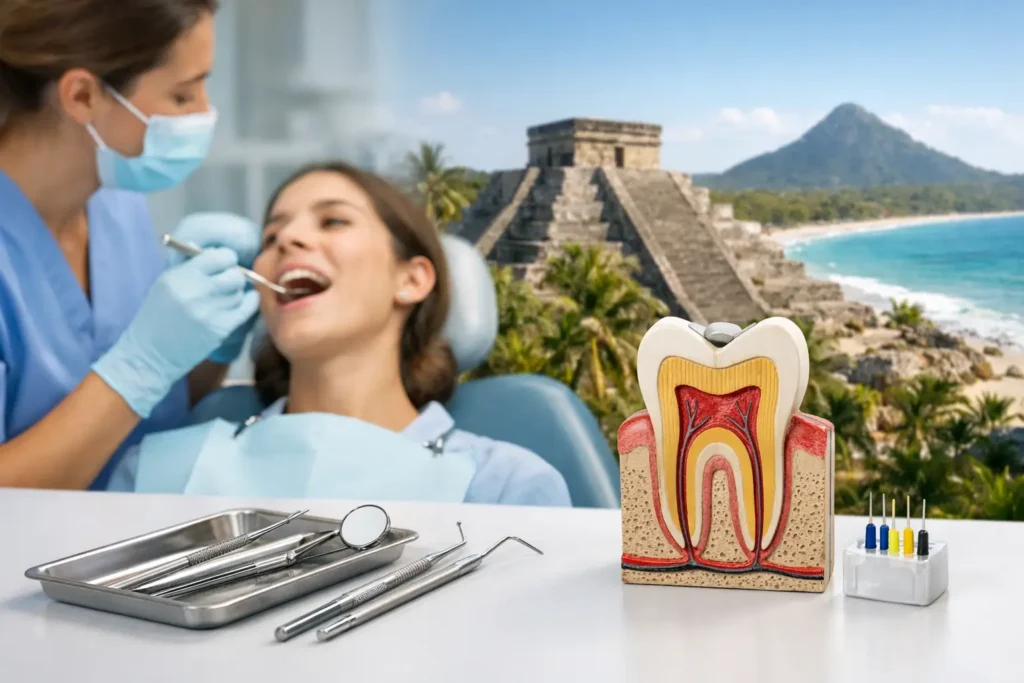
A severe toothache can make every meal, conversation, and attempt to sleep feel overwhelming. If you are considering root canal treatment Mexico, the priority is not simply finding a convenient appointment. It is getting an accurate diagnosis, comfortable care, and a durable restoration that protects your natural tooth for years to come.
A root canal is often recommended when the soft tissue inside a tooth, called the pulp, becomes inflamed or infected. This can happen after deep decay, a crack, repeated dental work, or an injury. With prompt, specialist-led treatment, many teeth that might otherwise need extraction can be preserved.
When a Root Canal May Be the Right Treatment
Pain is a common signal, but it is not the only one. Some infected teeth cause intense, lingering sensitivity to heat or cold. Others may hurt when you bite down, cause swelling near the gums, or change color over time. In some cases, an infection is visible on an X-ray before the patient feels any discomfort at all.
That is why a dental examination matters. A dentist or endodontic specialist evaluates your symptoms, reviews digital images, tests the tooth, and checks the surrounding gums and bone. Tooth pain can also come from a cracked tooth, gum infection, bite problems, sinus pressure, or a neighboring tooth. Treating the wrong tooth is never a good outcome, so clear diagnosis should come before treatment planning.
A root canal is not automatically the answer for every damaged tooth. If a tooth cannot be restored because too much structure is missing, extraction and replacement options may be more appropriate. If the pulp is healthy and the problem is limited to the outer portion of the tooth, a filling, crown, or other restorative treatment may be enough.
What Happens During Root Canal Treatment in Mexico
Modern root canal care is designed around precision and comfort. The procedure generally begins with local anesthetic to numb the tooth and surrounding area. For most patients, treatment should feel similar to receiving a filling, not like the painful procedure many people imagine from outdated stories.
After isolating the tooth, the dentist creates a small access opening and carefully removes infected or inflamed pulp tissue. The root canals are cleaned, shaped, and disinfected with specialized instruments. Once the inside of the tooth is free of infection, the canals are sealed to help prevent bacteria from re-entering.
The tooth then needs to be restored. A small access opening may be closed with a filling, but back teeth and teeth with substantial previous damage often need a crown. This final step is essential because a root canal treats the inside of the tooth, while the restoration protects what remains on the outside.
One Visit or More Than One?
Treatment length depends on the tooth and the condition of the infection. Some straightforward cases can be completed in one appointment. Others require two visits, particularly when there is significant infection, complex root anatomy, or a need to place medication inside the tooth between visits.
Molars can have several narrow or curved canals and commonly require more time than front teeth. A qualified dental team should explain the expected number of visits before care begins, while also being honest that findings during treatment can occasionally change the plan.
What to Expect After Treatment
It is normal to experience mild tenderness for a few days, especially when biting. Your dentist may recommend over-the-counter pain relief or prescribe medication when clinically appropriate. You should avoid chewing hard foods on the treated tooth until the final restoration is in place.
Call your dental office promptly if you develop increasing swelling, severe pain that does not improve, a fever, or a reaction to medication. Follow-up care is part of successful treatment, not an afterthought.
Choosing Root Canal Treatment Mexico With Confidence
For patients from Arizona, Southern California, Nevada, and other nearby areas, dental care in northern Mexico can offer a practical option for treatment that should not be delayed. The best choice, however, is based on clinical quality and continuity of care, not location alone.
Look for a practice that can clearly identify who will perform the procedure and what training or specialty experience they bring to your case. Endodontics focuses on diagnosing and treating conditions inside the tooth, so an endodontic specialist can be especially valuable for complex cases, retreatment, calcified canals, or difficult molars.
Modern diagnostic imaging and precise treatment technology also make a meaningful difference. Digital X-rays help the clinical team assess the tooth, surrounding bone, and root structure before treatment. Appropriate isolation during the procedure helps maintain a clean treatment field. A coordinated in-house team can also make the transition from root canal therapy to crown placement more efficient.
Communication should feel just as clear as the clinical plan. English-speaking patients should be able to discuss symptoms, treatment options, timing, aftercare, and estimated costs in language they fully understand. Ask for a written treatment plan before beginning, including whether the crown or final restoration is included or will be scheduled separately.
Questions Worth Asking Before You Schedule
A good consultation makes room for practical questions. You may want to ask whether the dentist believes the tooth has a favorable long-term prognosis, how many visits are likely, and whether a temporary or permanent crown will be needed afterward.
If you are traveling, also ask about the timing of the final restoration. It may be possible to complete treatment and coordinate a crown within a short visit schedule, but that depends on the tooth, the type of restoration, and the clinical findings. A dedicated dental laboratory can be helpful when a custom restoration is needed, but quality should never be rushed simply to fit a travel plan.
Patients using dental insurance should check their plan benefits in advance. Many plans reimburse treatment received outside the United States differently, and documentation requirements can vary. Keeping copies of X-rays, treatment records, receipts, and itemized statements can make the claims process easier.
Why Saving a Natural Tooth Matters
When a tooth can be predictably restored, saving it is usually worth considering. Your natural tooth supports normal chewing, helps preserve your bite, and avoids the need for immediate replacement. Extraction may initially seem simpler, but it can lead to shifting teeth, changes in chewing function, and future treatment needs.
That does not mean extraction is always the wrong choice. A severely fractured tooth, advanced gum disease, or inadequate remaining tooth structure can make replacement the healthier path. The right recommendation balances the tooth’s prognosis, your oral health, treatment timeline, budget, and personal goals.
If replacement is needed, options may include a dental implant, bridge, or removable prosthesis. A multidisciplinary dental practice can evaluate these choices alongside your root canal prognosis, helping you make one informed decision rather than moving from office to office.
Do Not Wait for the Pain to Become an Emergency
Dental infections do not reliably improve without treatment. Pain may temporarily fade if the nerve inside the tooth dies, while the infection continues to affect the tissues around the root. Early evaluation can often make treatment more straightforward and helps protect your comfort, health, and smile.
At Rio Colorado Dental Group, patients can receive coordinated care from a team that understands both the clinical and practical concerns behind root canal treatment. If you have persistent tooth pain, swelling, or sensitivity, schedule an evaluation soon. A calm conversation and a precise diagnosis are the first steps toward keeping your natural smile healthy and strong.
