A dental bridge can make everyday moments feel natural again - enjoying a meal, speaking clearly, and smiling without covering your mouth. But while a bridge is designed for strength and a natural appearance, it still relies on the health of the teeth, gums, or implants that support it. Consistent care for dental bridges protects that foundation and helps your restoration look and feel its best for years.
Unlike a removable appliance, a fixed bridge stays in place. That convenience can make it easy to forget that food particles and plaque may collect around its edges and beneath the replacement tooth. A simple, well-planned home routine and regular professional visits can prevent small concerns from becoming uncomfortable or costly problems.
Why Care for Dental Bridges Matters
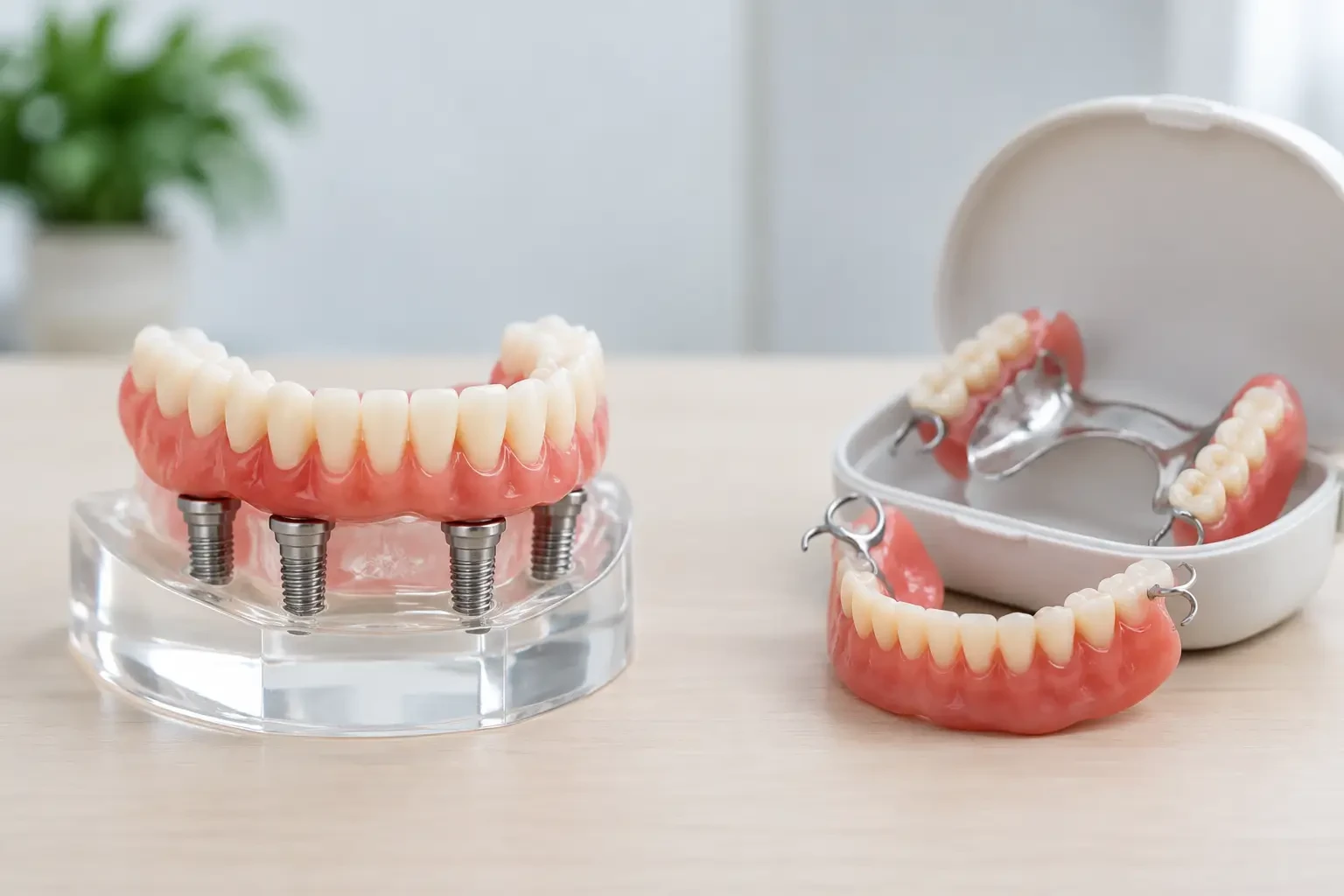
A conventional dental bridge is usually supported by natural teeth on either side of a gap. Those supporting teeth, often called abutment teeth, are covered with crowns that hold the replacement tooth or teeth in position. An implant-supported bridge uses dental implants instead, but it still requires careful attention to the gumline and areas around the restoration.
The bridge itself cannot develop a cavity, but the natural teeth beneath its crowns can be affected by decay at the margins where the crown meets the tooth. Gum inflammation can also compromise the tissues that support a bridge. When plaque remains under the false tooth, it may lead to tenderness, bleeding, unpleasant breath, or gum disease.
Daily cleaning is not about being overly cautious. It is the practical way to protect the investment you made in restoring your smile. A well-maintained bridge may last many years, although its lifespan depends on the materials used, your bite, your oral hygiene, and whether you grind or clench your teeth.
Build a Daily Bridge-Cleaning Routine
Brush twice a day with a soft-bristled toothbrush and fluoride toothpaste. Take your time along the gumline and where the bridge meets the neighboring teeth. Use gentle, small motions rather than pressing hard. Aggressive brushing does not clean better and can irritate the gums or contribute to gum recession over time.
Electric toothbrushes can be a helpful option, especially for patients who struggle to clean thoroughly by hand. What matters most is consistency and technique. Angle the bristles toward the gumline, clean the outside and inside surfaces, and do not rush the chewing surfaces of the bridge or the teeth around it.
Flossing is equally essential, but traditional floss alone cannot pass between a fixed bridge and the gums beneath the replacement tooth. Your dentist may recommend a floss threader, bridge floss, or super floss with a stiffened end. These tools allow you to guide the floss under the bridge, then move it gently back and forth to remove plaque and trapped debris.
A water flosser can be a useful addition, particularly for cleaning hard-to-reach areas around bridges, implants, and orthodontic appliances. It is not always a complete substitute for threadable floss because floss can physically wipe plaque from surfaces. For many patients, the strongest routine is to use both, based on their dentist's recommendation.
Cleaning Under the Replacement Tooth
The underside of the bridge is the area most often missed. After threading floss beneath the replacement tooth, wrap it lightly around the side of each supporting tooth and clean along the gumline. Do not snap floss into place or pull it out forcefully, which can irritate delicate gum tissue.
If you notice that floss catches repeatedly, shreds, or has a persistent odor after cleaning beneath the bridge, do not ignore it. It may simply be trapped debris, but it can also indicate a rough edge, an opening at the margin, or early gum inflammation. A dental examination can identify the cause before it develops further.
Choose Foods With Your Bridge in Mind
Most people can return to a varied, enjoyable diet after adjusting to a new bridge. Still, certain foods place more stress on the restoration and its supporting teeth. Ice, hard candy, popcorn kernels, and other very hard items can chip porcelain or loosen a restoration if bitten directly. Sticky foods such as caramel or chewy candy may pull at a bridge or become lodged underneath it.
You do not have to eliminate every favorite food forever. The safer approach is to cut firm foods into smaller pieces, chew thoughtfully, and avoid using your bridge to open packages or bite nonfood objects. If your bridge is new, follow the specific eating guidance from your dental team while you adapt to its shape and your bite.
Sugary snacks and frequent sipping on sweetened drinks deserve attention as well. Although the bridge material cannot decay, sugar feeds bacteria around the supporting natural teeth and gums. Water between meals, balanced eating, and fluoride toothpaste all support a healthier environment around your restoration.
Protect Your Bridge From Excess Pressure
A bridge is designed to handle normal chewing forces, not constant grinding or trauma. If you wake with jaw soreness, experience frequent headaches, or notice that your teeth feel worn or sensitive, you may be clenching or grinding at night. This added pressure can fracture porcelain, loosen a bridge, or strain the supporting teeth.
A custom night guard may help protect your bridge and the rest of your smile. Over-the-counter guards can seem convenient, but a professionally fitted appliance is designed around your bite and restoration for greater comfort and protection.
If you play contact sports, wear a properly fitted mouthguard. Even a minor impact can damage a bridge, neighboring tooth, or gum tissue. Protecting your restoration is especially worthwhile when it supports a visible part of your smile.
Keep Professional Visits on Schedule
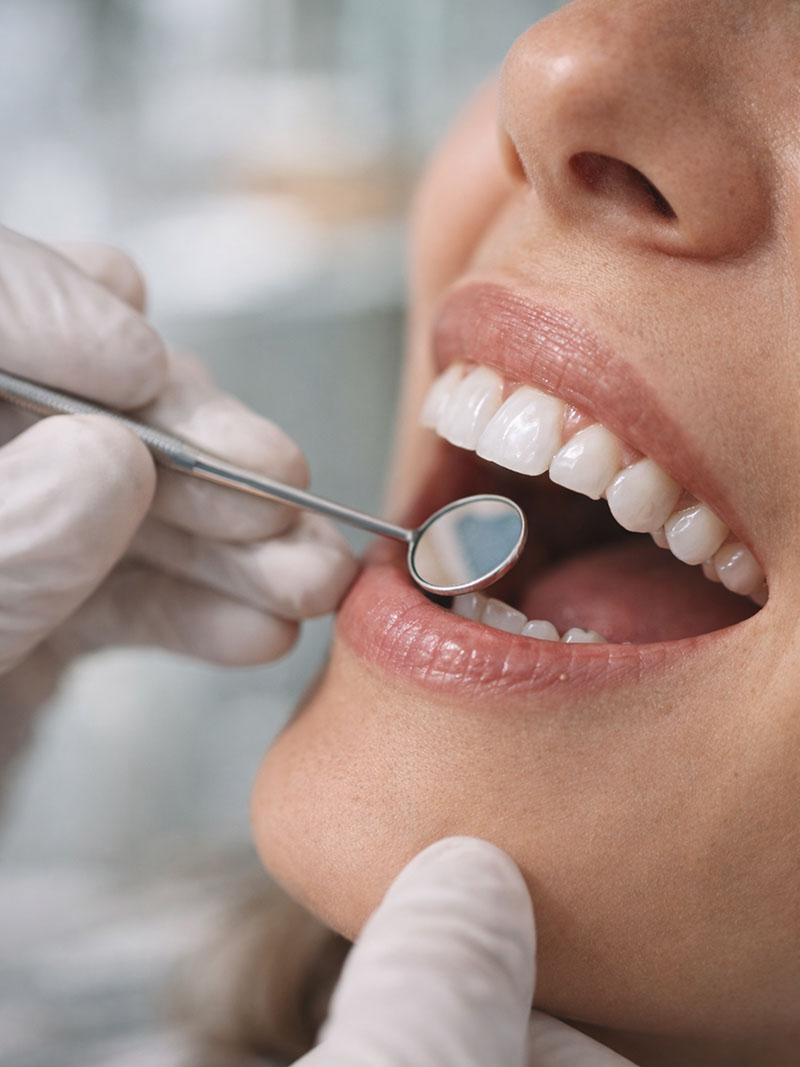
Home care is powerful, but it cannot replace regular examinations and professional cleanings. Your dental team can evaluate the bridge margins, gum health, bite, and condition of the supporting teeth. Dental X-rays may be needed periodically to check areas that cannot be seen during a visual exam.
Professional cleanings also remove hardened tartar that brushing and flossing cannot eliminate. If your gums tend to bleed or you have a history of periodontal disease, your dentist may recommend more frequent cleanings. The right interval depends on your individual needs, not a one-size-fits-all schedule.
For patients receiving care across the Arizona-Sonora border, coordinated appointments can make bridge maintenance more convenient. At Rio Colorado Dental Group, general dentists and specialists can assess the health of the restoration, gums, bite, and supporting structures in one welcoming setting when more complex care is needed.
Know When to Call Your Dentist
A bridge should feel stable and comfortable. Mild awareness is common right after placement, but ongoing pain or pressure is not something to simply tolerate. Contact your dental office if you notice sensitivity that persists, pain when biting, bleeding or swollen gums, a bad taste near the bridge, or food constantly becoming trapped in the same spot.
You should also schedule an evaluation promptly if the bridge feels loose, cracks or chips, or your bite suddenly feels different. Do not try to repair a bridge at home with adhesive products. Temporary materials may interfere with a proper repair and can make it harder for your dentist to assess the fit of the restoration.
A loose bridge does not always mean the bridge has failed. Sometimes the cement has weakened while the bridge and supporting teeth remain in good condition. Other times, decay, gum disease, or a fracture must be addressed before the bridge can be repaired or replaced. An early visit gives your dental team more options.
A Small Routine That Protects a Big Part of Your Smile
The best bridge care is steady rather than complicated: brush carefully, clean beneath the replacement tooth every day, make smart choices around hard or sticky foods, and keep your preventive visits. These habits support more than the bridge itself. They help preserve the healthy teeth and gums that allow your restored smile to stay comfortable, confident, and ready for daily life.
If anything about your bridge feels different, trust that signal and schedule an evaluation. A timely check can bring clarity, comfort, and the right next step for your smile.
Recomendaciones