A dental implant is not a one-size-fits-all replacement. The best dental implant materials for your smile depend on where the tooth is missing, how much bite pressure that area receives, the health of your gums and jawbone, and the natural look you want to achieve. A thoughtful material choice helps create a restoration that feels secure, supports your oral health, and blends confidently with the rest of your smile.
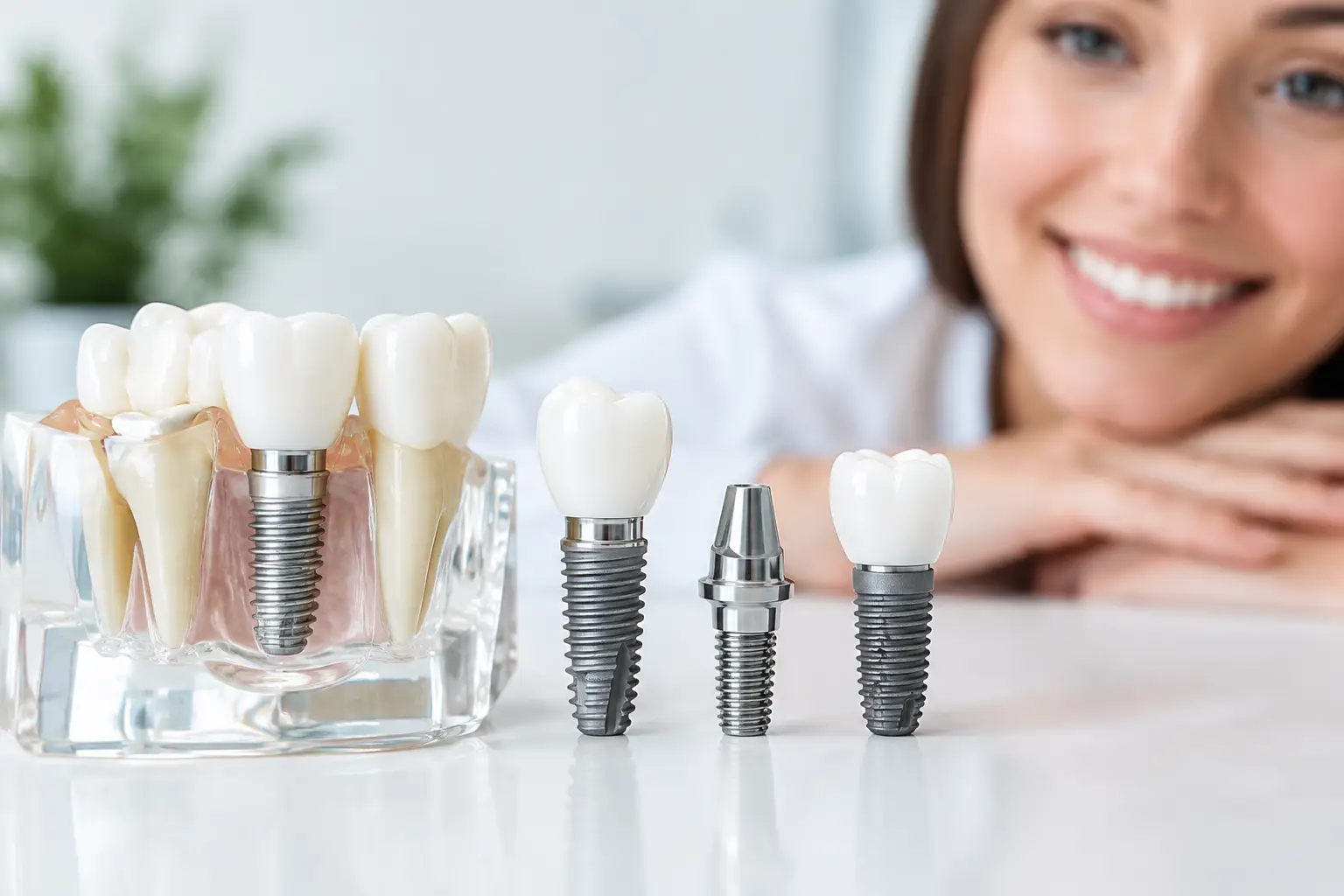
Dental implants are designed to replace the tooth root beneath the gumline. After the implant integrates with the jawbone, it supports a custom abutment and crown. Each part can involve different materials, which is why a conversation about implants should go beyond simply asking whether they are “metal” or “ceramic.”
Best Dental Implant Materials: Know What Each Part Does
The implant fixture is the small post placed in the jawbone. Its role is structural: it must remain stable while the bone heals around it and continue handling everyday chewing forces. Titanium and zirconia are the primary materials used for this part.
The abutment connects the implant fixture to the visible replacement tooth. It may be made from titanium, zirconia, or another high-strength ceramic, depending on the restoration design. The crown is the portion you see when you smile. It is commonly made from zirconia, lithium disilicate, porcelain fused to metal, or another dental ceramic selected for strength and appearance.
This distinction matters. A patient can have a titanium implant below the gumline with a highly natural-looking all-ceramic crown above it. The best option is often a well-matched combination, not one material used everywhere.
Titanium Implants: The Proven Standard
Titanium has been used in dental implants for decades and remains the most widely studied option. It is lightweight, strong, and highly biocompatible, meaning the body generally accepts it well. Most importantly, titanium has an excellent record of osseointegration, the process in which living bone attaches closely to the implant surface.
For many patients, titanium is the practical first choice because it works well across a wide range of cases. It can be especially useful for back teeth, where chewing pressure is greatest, and for complex restorations such as implant bridges or full-arch treatment. Its mechanical strength also gives your dental team flexibility when planning the angle, position, and support needed for the final teeth.
Titanium implants are typically made from commercially pure titanium or titanium alloys. The exact design and surface treatment can affect how the implant interacts with bone, so quality involves more than the material name alone. A specialist evaluates the implant system, your bone volume, your bite, and the surgical plan together.
One concern some patients raise is metal sensitivity. True titanium allergy is considered uncommon, but your health history still deserves careful attention. If you have experienced reactions to metals, have autoimmune concerns, or simply prefer to avoid metal when possible, bring it up during your consultation. The right answer should be personalized, not assumed.
Zirconia Implants: A Metal-Free Alternative
Zirconia is a white ceramic material valued for its natural color and biocompatibility. For patients who want a metal-free implant option, it can be an appealing choice. Because zirconia is tooth-colored, it may also be considered in highly visible areas where thin gum tissue could make a darker implant less desirable.
Zirconia is strong, but it behaves differently from titanium. It is a ceramic, which means it can be less forgiving under certain types of force and may offer fewer restorative design options in more complex situations. While zirconia implant systems continue to advance, they have a shorter long-term clinical history than titanium and are not ideal for every patient.
A zirconia implant may be appropriate when aesthetics and a metal-free preference are central to the treatment plan, particularly for a single front tooth in a patient with healthy bone and gums. However, the final decision also depends on the available space, bite pattern, tooth position, and whether you need a single replacement or a larger restoration.
The color of the implant itself is only one factor in a beautiful result. Gum thickness, gum contour, crown shape, and the skill of the surgical and restorative team often have an even greater impact on how natural the final smile appears.
Choosing the Right Crown Material
Once the implant has healed, the crown material becomes the visible part of the decision. Modern implant crowns are designed to look like natural teeth while standing up to daily use.
Zirconia crowns are a popular choice because they are durable and can be shaded to complement surrounding teeth. They are often recommended for molars and other high-pressure areas. Newer layered and high-translucency zirconia options can also provide a more lifelike appearance for many front-tooth cases.
Lithium disilicate is another all-ceramic option known for its translucency and natural appearance. It can be an excellent choice when a front tooth requires detailed color matching. Depending on your bite and the location of the implant, your dentist may recommend it for a smile-zone restoration or select zirconia when additional strength is needed.
Porcelain fused to metal has served dentistry well for many years and can still be appropriate in specific restorations. However, all-ceramic crowns are often preferred when cosmetic demands are high because they avoid the possibility of a dark metal edge showing near the gumline over time.
Your crown should not only look good in a photo. It must be shaped to support healthy gums, fit comfortably against neighboring teeth, and meet your opposing teeth in a balanced bite. A dedicated dental laboratory and precise digital planning can make a meaningful difference in these details.
What Matters More Than the Material Alone
The material is important, but long-term implant success depends on the entire treatment plan. A high-quality implant placed in the wrong position or restored with an unbalanced bite can create avoidable problems. The strongest results come from coordinating surgical skill, restorative planning, and ongoing preventive care.
Bone quality is one of the first factors to assess. If bone has shrunk after a tooth has been missing for years, a bone graft or another preparatory procedure may be recommended before implant placement. This is not a setback. It is often the step that gives the implant a healthier, more stable foundation.
Gum health matters just as much. Gum disease around natural teeth can increase the risk of inflammation around implants. Before treatment, your dental team should address active periodontal concerns and help you establish a home-care routine that protects your investment.
Your bite also matters. Patients who clench or grind their teeth can place significant force on an implant crown. A carefully designed crown, appropriate material selection, and a custom night guard when indicated can help reduce stress on the restoration.
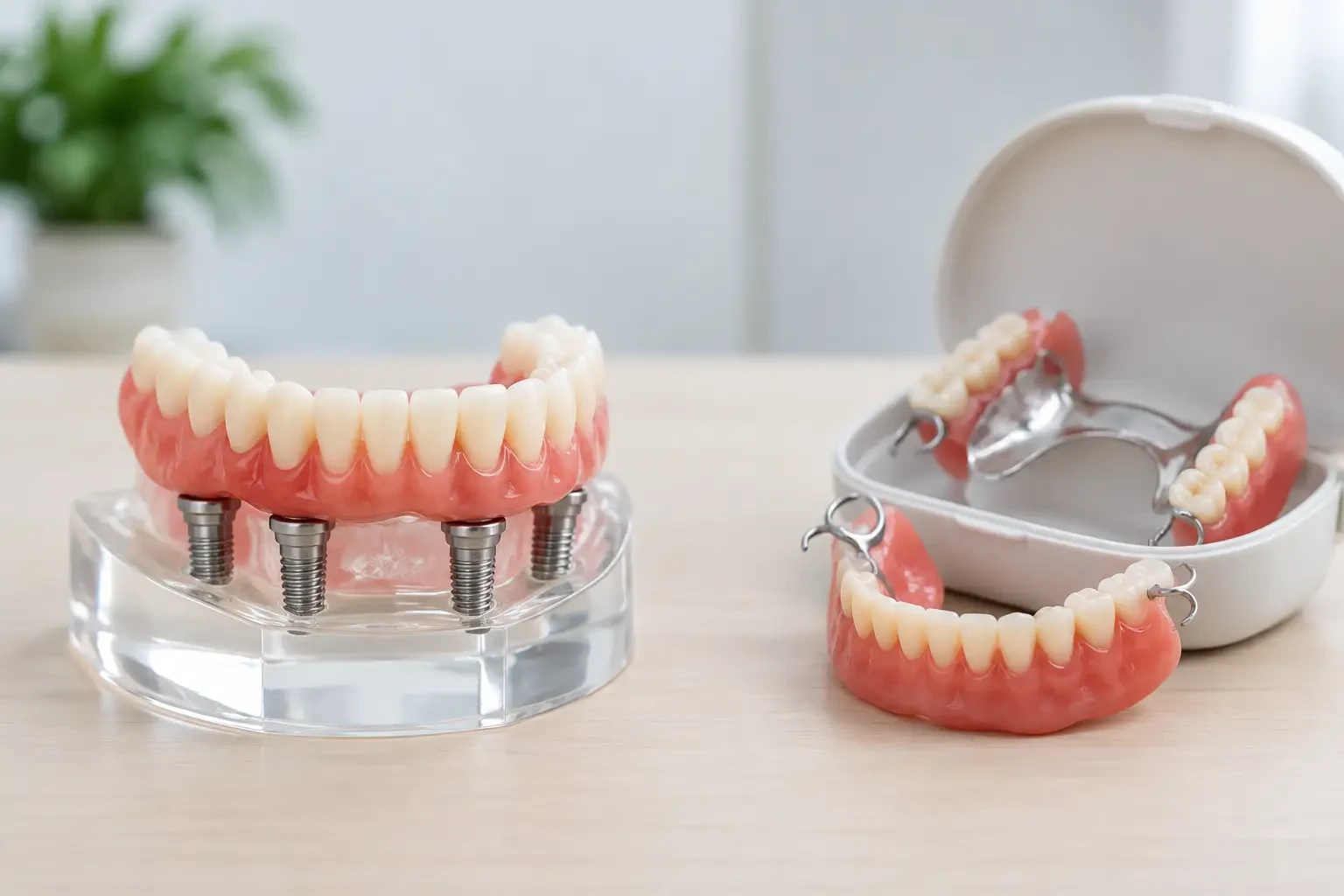
For patients replacing several teeth, treatment planning becomes even more individualized. Implant-supported bridges and full-arch restorations may use titanium implants for dependable support, paired with crowns or prostheses made from zirconia or other durable materials. The ideal solution balances appearance, cleanability, strength, cost, and the amount of available bone.
How to Make a Confident Decision
Ask your dental team to explain which component they are recommending and why. You deserve clear answers about the implant fixture, abutment, crown material, expected timeline, and maintenance needs. If a material is being recommended because of strength, appearance, a health consideration, or the shape of your bite, that reason should be easy to understand.
At Rio Colorado Dental Group, implant treatment can be coordinated with specialists, advanced diagnostic technology, and custom laboratory support, helping ensure that surgical planning and the final restoration work together. This coordinated approach is especially valuable for patients traveling from Arizona or other nearby U.S. communities who want clear planning and efficient care in San Luis Río Colorado.
A well-planned implant should feel like part of your life, not a source of daily worry. Schedule a personalized evaluation to find the material combination that supports your health, comfort, and confidence for years to come.
Recommendations