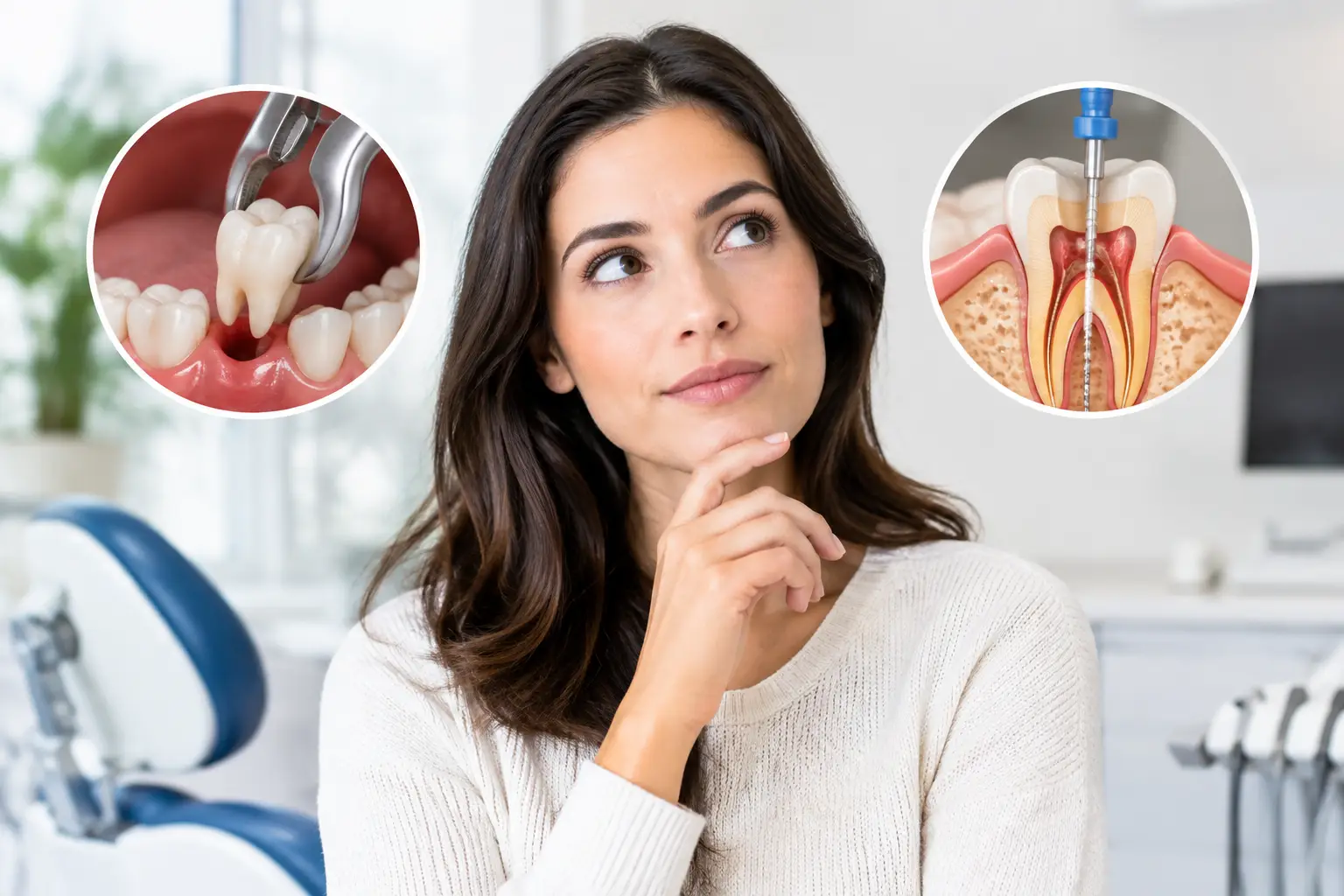
A missing tooth can change more than a smile. It can make chewing feel uneven, affect speech, and leave many adults hesitant to laugh in photos or speak freely. So, can adults get implants? In most cases, yes. Dental implants are designed for adults who need a stable, long-term way to replace one or more missing teeth.
Age alone rarely determines whether implants are possible. What matters more is the condition of your gums, jawbone, overall health, and the treatment plan created for your needs. With the right evaluation and specialist care, dental implants can restore both everyday function and confidence in your smile.
Can Adults Get Implants at Any Age?
Adults of many ages can be candidates for dental implants, including people in their 60s, 70s, and beyond. Unlike children and teens, adults have fully developed jawbones, which is necessary for an implant to integrate securely with the bone.
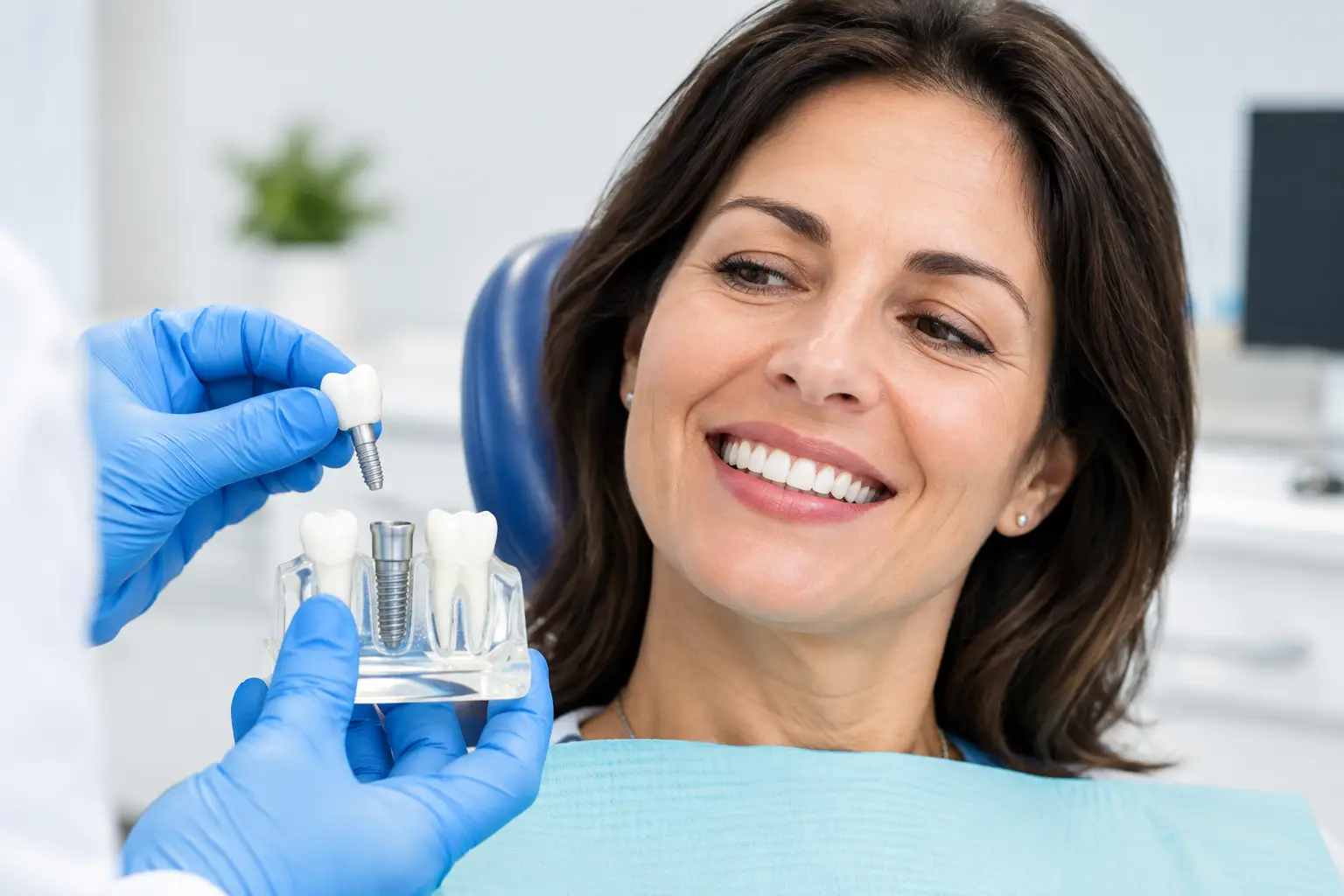
A dental implant is a small post, usually made from biocompatible titanium, that is placed in the jawbone to replace a tooth root. Once it heals, it can support a custom crown, bridge, or denture. The final restoration is designed to look natural and help you chew, speak, and smile with greater comfort.
Being older does not automatically rule out treatment. Many healthy older adults receive implants successfully. However, each patient deserves an individualized assessment rather than a one-size-fits-all answer. A person with excellent oral health at age 75 may be a stronger candidate than a younger person with untreated gum disease or heavy tobacco use.
What Makes an Adult a Good Candidate for Dental Implants?
The first step is a complete dental examination. Your dentist will review your medical and dental history, examine your gums and remaining teeth, and use digital imaging to evaluate the amount and quality of jawbone available. This planning stage helps determine whether implants are appropriate and how treatment can be completed safely.
Healthy gums are especially important. Periodontal disease can damage the bone and tissues that support teeth, and it should be treated before implant placement. A healthy foundation helps protect your investment and supports long-term success.
Adequate jawbone is also needed to hold an implant firmly in place. When a tooth has been missing for years, the bone in that area may shrink over time. This does not necessarily mean implants are off the table. Bone grafting or other preparatory procedures may help rebuild the site before placement.
Your general health matters as well. Conditions such as diabetes, autoimmune disorders, osteoporosis, or heart disease do not always prevent implant treatment, but they may affect timing, healing, or the type of care recommended. Your dental team may coordinate with your physician when needed to make sure your treatment plan supports your overall well-being.
Smoking and vaping deserve an honest conversation. Nicotine can interfere with blood flow and healing, increasing the risk of complications around implants. Patients do not have to be perfect to explore treatment, but reducing or stopping tobacco use can improve the outlook for both healing and long-term oral health.
What Does the Implant Process Look Like?
Dental implant treatment is carefully planned, but the experience is usually more manageable than patients expect. The process begins with a consultation and diagnostic imaging. Your dentist will discuss the missing tooth or teeth, the health of surrounding structures, your smile goals, and the restoration options that best fit your situation.
If the area is ready, the implant is placed into the jawbone during a surgical appointment. Local anesthesia is commonly used to keep you comfortable, and additional comfort options may be available depending on your needs. After placement, the jawbone needs time to heal around the implant in a process called osseointegration.
Healing time varies. Some patients may qualify for a temporary tooth soon after placement, while others need a longer healing period before receiving their final restoration. Immediate treatment can be convenient, but it is not the right approach for every case. Bone density, bite pressure, the location of the implant, and oral health all influence the safest timeline.
Once healing is complete, the implant receives its final crown, bridge, or denture. The restoration should be shaped and shaded to blend with your smile while also supporting a comfortable bite. A coordinated practice with implant, restorative, and dental laboratory support can make a meaningful difference in the precision of this final stage.
Replacing One Tooth, Several Teeth, or a Full Arch
Implants are flexible because they can support different types of tooth replacement. One implant may replace one missing tooth with a crown. When several teeth are missing in a row, implants may support a bridge without requiring the neighboring healthy teeth to be filed down.
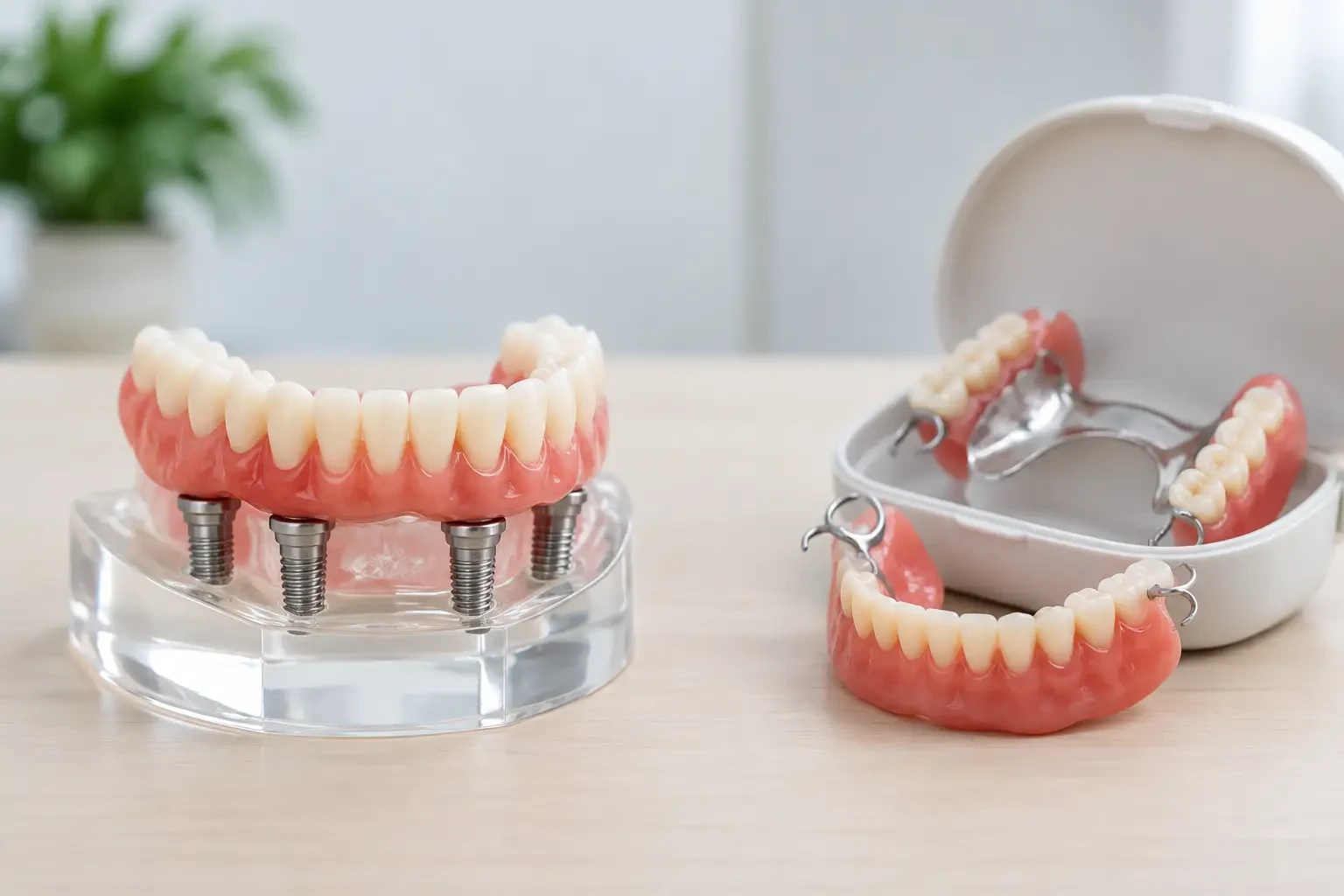
For patients missing most or all teeth, a limited number of strategically placed implants can support a full-arch bridge or help stabilize a removable denture. This can reduce slipping, improve chewing ability, and make day-to-day life feel more comfortable.
The best option depends on your bone structure, bite, budget, preferences, and long-term goals. A removable implant-supported denture and a fixed full-arch restoration each have distinct benefits. The right choice is the one that provides dependable function while fitting your health needs and lifestyle.
Benefits Worth Considering Alongside the Trade-Offs
Dental implants are popular because they are fixed in the jawbone and function much like natural tooth roots. They can help preserve bone in the area of a missing tooth, provide stable support for restorations, and eliminate the need to remove a traditional denture at night in many cases.
They also require a commitment. Implant treatment involves surgery, healing time, follow-up visits, and consistent home care. An implant cannot develop a cavity, but the gums and bone around it can still become inflamed or infected if plaque is allowed to build up. Brushing, flossing or using implant-friendly cleaning tools, and regular professional cleanings remain essential.
Cost is another practical consideration. Implants often involve a higher initial investment than some alternatives, particularly if grafting, extractions, or multiple restorations are needed. Their durability and stability can make them a valuable long-term option, but your dental team should clearly explain the proposed treatment, stages, and expected costs before you begin.
Questions Adults Often Ask
Is it too late to get implants if teeth have been missing for years?
Not necessarily. Bone loss can occur after tooth loss, but advanced planning and grafting options may make treatment possible. An examination and 3D imaging provide a much clearer answer than assumptions based on how long the tooth has been missing.
Do dental implants hurt?
During placement, anesthesia is used to control discomfort. Most patients report soreness or swelling for a few days afterward, similar to other dental surgical procedures. Your dental team will provide specific aftercare instructions and discuss appropriate pain-management options.
How long do implants last?
With healthy gums, careful oral hygiene, and regular dental visits, implants can last for many years. The crown or denture attached to an implant may eventually need maintenance or replacement due to normal wear. Protecting your bite is also important, especially if you grind or clench your teeth.
Can I get implants if I wear dentures?
Yes. Many denture wearers choose implants to add stability to an existing or new denture. Whether you need two implants, several implants, or a fixed solution depends on your anatomy and the type of result you want.
For patients in the Sonora-Arizona border region, Rio Colorado Dental Group offers coordinated care across implantology, oral surgery, periodontics, and restorative dentistry, helping simplify treatment from the first evaluation through the final smile.
If missing teeth have made you avoid certain foods, cover your mouth when you smile, or feel less like yourself, an implant consultation can give you answers tailored to your health and goals. The next step is not committing to treatment. It is simply finding out what is possible for your smile.
Recommendations