A toothache that keeps you awake, a knocked-out tooth after a fall, or swelling that changes the shape of your face should never be treated as something to “wait out.” Recognizing dental emergency warning signs early can protect your comfort, your smile, and in some cases your overall health. The right next step depends on the symptom, but fast professional guidance is often the difference between saving a tooth and losing it.
Dental emergency warning signs that need care now
Not every dental concern requires an urgent visit. A small chip with no pain, for example, can often wait for a scheduled appointment. But certain symptoms signal infection, trauma, uncontrolled bleeding, or damage that needs prompt attention.
Call a dentist for same-day guidance if you have severe or worsening tooth pain, a broken tooth with sharp edges or exposed inner tissue, a loose permanent tooth, a lost filling or crown that causes significant pain, or swelling around a tooth or gum. These concerns may not always require a hospital visit, but they should not be postponed for days.
Seek emergency medical care immediately, including calling 911 when appropriate, if you have trouble breathing or swallowing, swelling that spreads toward the eye, jaw, or neck, heavy bleeding that will not stop, or a serious facial injury. These can be signs of a spreading infection or trauma that requires medical support beyond dental treatment.
Severe pain that does not settle
Persistent, throbbing tooth pain can point to deep decay, a cracked tooth, gum infection, or inflammation inside the tooth. Pain may worsen when you bite, lie down, eat something hot or cold, or touch the area. If over-the-counter pain medicine only briefly masks the discomfort, do not assume the problem will resolve on its own.
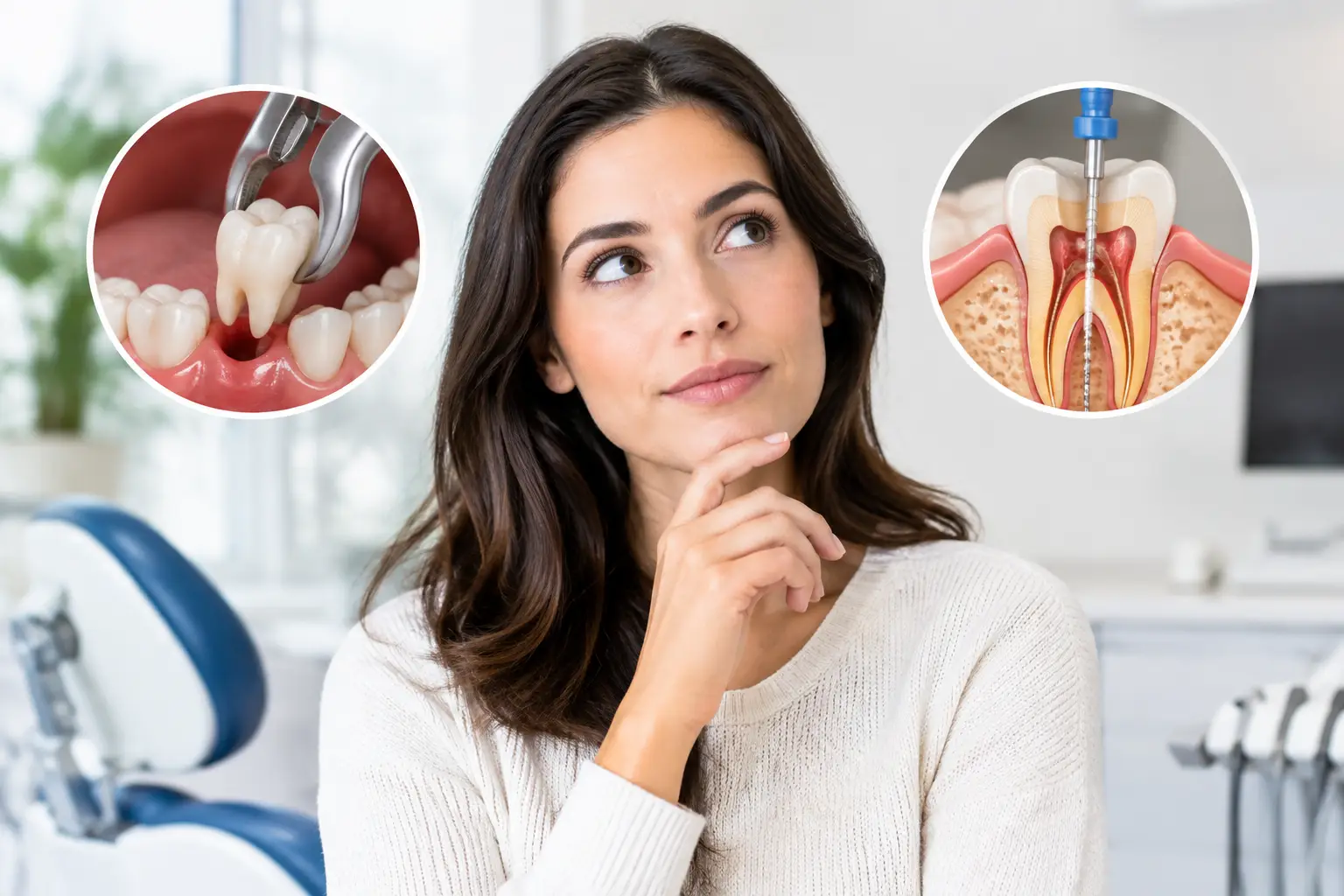
A dentist can identify whether the tooth needs a restoration, root canal treatment, gum care, or another solution. Waiting may allow a manageable issue to become more painful and more complex to treat.
Facial swelling, a gum bump, or fever
Swelling is one of the most serious dental emergency warning signs. A pimple-like bump on the gums, tenderness near the jaw, a bad taste in the mouth, or swelling in the cheek can indicate an abscess. Dental infections need professional evaluation because they can spread beyond the tooth and gums.
Fever, chills, feeling generally unwell, or difficulty opening your mouth are additional reasons to act quickly. Do not try to pop a gum bump or place aspirin directly on the gums. Aspirin can burn soft tissue, and draining the visible area at home does not treat the source of infection.
A knocked-out or loose permanent tooth
Time matters when a permanent tooth has been knocked out. Hold the tooth by the crown, which is the visible chewing portion, not the root. If it is dirty, rinse it gently with clean water for no more than 10 seconds. Do not scrub it, remove attached tissue, or wrap it in a dry napkin.
If you can safely place the tooth back into its socket, do so gently and bite down on clean gauze or cloth. If that is not possible, keep it moist in milk or a tooth-preservation product if available. Get dental care immediately, ideally within the first hour. Never try to reinsert a baby tooth, as this may damage the developing permanent tooth underneath.
A tooth that is still in place but feels loose after an impact also needs urgent evaluation. Stabilizing it early may improve the chance of keeping it healthy and functional.
A broken, cracked, or deeply chipped tooth
A broken tooth can range from a minor cosmetic concern to an urgent problem. Pain, sensitivity, bleeding from the tooth, or a visible pink or red center may mean the inner nerve tissue is exposed. Sharp fragments can also cut the tongue, cheek, or lip.
Rinse your mouth gently with warm water and save any large tooth fragments if you can find them. Covering a sharp edge temporarily with dental wax may help prevent irritation, but it is not a substitute for treatment. Avoid chewing on that side until a dentist evaluates the damage.
Cracks can be harder to notice. A tooth that hurts when you release your bite, reacts sharply to temperature, or causes unexplained pain during meals may be cracked even if it looks normal. Early care can sometimes prevent the crack from extending below the gumline.
When dental bleeding becomes an emergency
Minor bleeding after brushing or flossing is common with irritated gums, especially if you have not flossed regularly. It still deserves attention at a routine dental visit, because gum disease can progress quietly. But bleeding is more urgent after an extraction, oral surgery, or injury.
Apply steady, gentle pressure with clean gauze for 20 to 30 minutes. Avoid repeatedly lifting the gauze to check the area, as that can disturb clotting. Do not rinse forcefully, spit repeatedly, smoke, drink through a straw, or exercise vigorously after an extraction unless your dental team has told you otherwise.
If blood is flowing heavily, pooling in the mouth, or continuing despite firm pressure, contact your dentist urgently or seek emergency medical care. Patients who take blood-thinning medication should never stop or change it without direction from their prescribing clinician, but they should tell the dental team about it right away.
What to do while you arrange urgent dental care
The goal at home is to reduce discomfort and prevent further injury, not to delay treatment. Rinse gently with warm salt water if the area is irritated, and use a cold compress on the outside of the cheek for swelling after an injury. Choose soft foods and avoid extreme heat, cold, or pressure on the affected tooth.
For pain relief, follow the label directions for over-the-counter medicine that is safe for you. Your personal health history matters. People with ulcers, kidney disease, liver disease, pregnancy, medication interactions, or allergies may need different guidance. A dental professional or pharmacist can help you make a safer choice.
Do not place alcohol, aspirin, crushed medication, or household adhesives on a tooth or gum. Do not use glue to reattach a crown or broken restoration. These approaches can injure tissue, trap bacteria, or make professional repair more difficult.
Why fast care protects more than your smile
Dental emergencies can affect eating, sleep, work, travel, and confidence. They can also become more expensive when delayed. A small crack may become a fracture, a cavity can reach the nerve, and a localized infection can become a larger health concern.
Prompt treatment does not always mean extensive treatment. Sometimes the solution is smoothing a sharp edge, replacing a temporary restoration, adjusting a bite, or protecting a damaged tooth before it worsens. The benefit of a full-service dental team is that emergency concerns can be evaluated with the right combination of imaging, restorative care, endodontic treatment, gum treatment, or oral surgery when needed.
For patients traveling from Arizona or elsewhere in the border region, it is especially helpful to call before crossing or leaving home. Describe the symptoms, when they began, whether swelling or fever is present, and whether the tooth was injured or knocked out. This helps the dental team prepare for the type of care you may need.
Rio Colorado Dental Group provides coordinated care across dental specialties, so patients can receive clear guidance when an urgent concern involves more than a simple repair. If you are unsure whether your symptoms qualify as urgent, it is always reasonable to call and ask. A calm, early conversation can prevent a difficult night and help protect the healthy, confident smile you deserve.
Recommendations