A tooth that will not stop hurting can affect far more than your next meal. It can disrupt sleep, make you avoid smiling, and leave you wondering whether saving the tooth is still possible. This guide to tooth extraction explains when removal may be the healthiest choice, how a specialist plans the procedure, and what supports a comfortable recovery.
Tooth extraction is never a one-size-fits-all recommendation. A careful dental exam, digital imaging, and a conversation about your health, goals, and budget help determine whether a tooth can be treated or whether removing it will better protect your overall smile.
When Is Tooth Extraction Necessary?
Dentists generally aim to preserve natural teeth whenever predictably possible. Treatments such as fillings, crowns, root canal therapy, and periodontal care can often restore a damaged tooth. However, extraction may be recommended when the tooth cannot be restored safely or when keeping it could threaten nearby teeth, bone, or gum health.
A severely decayed tooth may have too little healthy structure left to support a crown. A crack that extends below the gumline may also make restoration unreliable. Advanced gum disease can loosen teeth after significant bone loss, while infection at the root may persist when prior treatment has not succeeded.
Extraction can also be part of a larger treatment plan. Impacted wisdom teeth may cause pain, repeated infection, pressure on neighboring teeth, or cyst-related concerns. In orthodontic treatment, removing a tooth is occasionally considered when space is limited, although this decision requires thoughtful planning. A fractured tooth after trauma may also need removal if it cannot be rebuilt.
The key question is not simply, “Can this tooth be treated?” It is, “Will treatment give this tooth a stable, comfortable future?” Your dentist should explain the alternatives, expected prognosis, and what replacing the tooth could involve before you decide.
Guide to Tooth Extraction: What Happens Before Treatment
Your appointment begins with a review of your medical and dental history. Share all medications, supplements, allergies, and medical conditions, especially diabetes, heart conditions, bleeding disorders, immune system concerns, or a history of osteoporosis treatment. These details can affect anesthesia, healing, and whether medication adjustments are needed.
X-rays or 3D imaging may be used to assess the roots, jawbone, nearby sinuses, nerves, and the position of surrounding teeth. This step is particularly valuable for wisdom teeth and complex extractions. It allows your dental team to plan the safest approach rather than making decisions during the procedure.
Ask what type of extraction you need. A simple extraction is performed when the tooth is visible and accessible above the gumline. A surgical extraction may be needed when a tooth is broken, impacted, or positioned beneath gum tissue or bone. Surgical does not automatically mean painful, but it can involve a more involved recovery.
Your dentist will also discuss comfort options. Local anesthesia numbs the treatment area while you remain awake. Depending on the complexity of care and your level of anxiety, additional sedation options may be available. If sedation is planned, arrange for a responsible adult to drive you home and follow the pre-appointment instructions carefully.
What to Expect During the Procedure
The goal of extraction is to remove the tooth as gently and efficiently as possible. Once the area is numb, the dentist loosens the tooth from its supporting ligament and removes it. For a surgical extraction, a small opening in the gum may be necessary, and the tooth may be divided into smaller sections for safer removal.
You may feel pressure, movement, or vibration, but sharp pain is not expected. If you feel pain at any point, tell the dental team right away. Comfort is not something you need to “push through.”
After the tooth is removed, the dentist cleans the socket and places gauze to help a blood clot form. Stitches may be used for some surgical extractions. That clot is a vital part of healing because it protects the bone and nerves beneath the socket.
In some cases, a bone graft may be recommended at the time of extraction. This is often considered when you may want a dental implant later, particularly in visible areas of the smile. A graft can help preserve the shape and volume of the jawbone, though it may not be necessary for every extraction.
The First 24 Hours Matter Most
Recovery starts with protecting the blood clot. Bite gently but firmly on the gauze as instructed, and change it only when your dental team recommends it. Slight oozing is common during the first day. Rest with your head elevated, drink plenty of water, and choose cool, soft foods when you are ready to eat.
Avoid rinsing vigorously, spitting forcefully, smoking, vaping, and using straws for at least the period your dentist specifies. These actions can dislodge the clot and raise the risk of dry socket, a painful condition in which the underlying bone becomes exposed.
Swelling and tenderness are normal, especially after surgical or wisdom tooth removal. Use a cold compress on the outside of the face in short intervals during the first day. Take prescribed or recommended pain medication exactly as directed. Do not place aspirin directly on the gums, as it can irritate oral tissue.
How to Heal Comfortably After an Extraction
Most patients feel noticeably better within a few days, although complete healing beneath the gums takes longer. Keep the area clean without disturbing it. Your dentist may advise gentle saltwater rinses beginning the day after treatment. Brush and floss the rest of your mouth normally, using extra care near the extraction site.
Gradually return to regular foods as chewing becomes comfortable. Start with options such as yogurt, eggs, soup that has cooled, mashed vegetables, and soft pasta. Crunchy foods, seeds, nuts, and foods with small particles can become trapped in the socket, so wait until your dentist says they are appropriate.
Every recovery is different. A straightforward extraction may allow a quicker return to normal routines, while impacted wisdom teeth, infection, bone grafting, or multiple extractions can require more recovery time. Following your personalized instructions is more useful than comparing your progress with someone else’s.
Signs You Should Call Your Dentist
Some discomfort and mild swelling are expected. However, contact your dental office promptly if you experience any of the following:
Bleeding that remains heavy or does not improve with firm gauze pressure
Pain that becomes more severe after a few days instead of gradually improving
Fever, worsening swelling, pus, or a foul taste that may indicate infection
Numbness that persists longer than expected or trouble breathing or swallowing
If you have difficulty breathing, significant facial swelling, or a severe allergic reaction, seek emergency medical care immediately.
Planning for the Space Left Behind
Removing a tooth resolves the immediate problem, but it may create a new one if the space is left unmanaged. Nearby teeth can shift, the opposing tooth may over-erupt, and bone volume can decrease over time. These changes can affect your bite, speech, chewing, and the appearance of your smile.
Replacement is not required in every situation. Wisdom teeth, for example, typically do not need to be replaced. For many other teeth, especially those used for chewing or visible when you smile, a replacement plan is worth discussing before or soon after extraction.
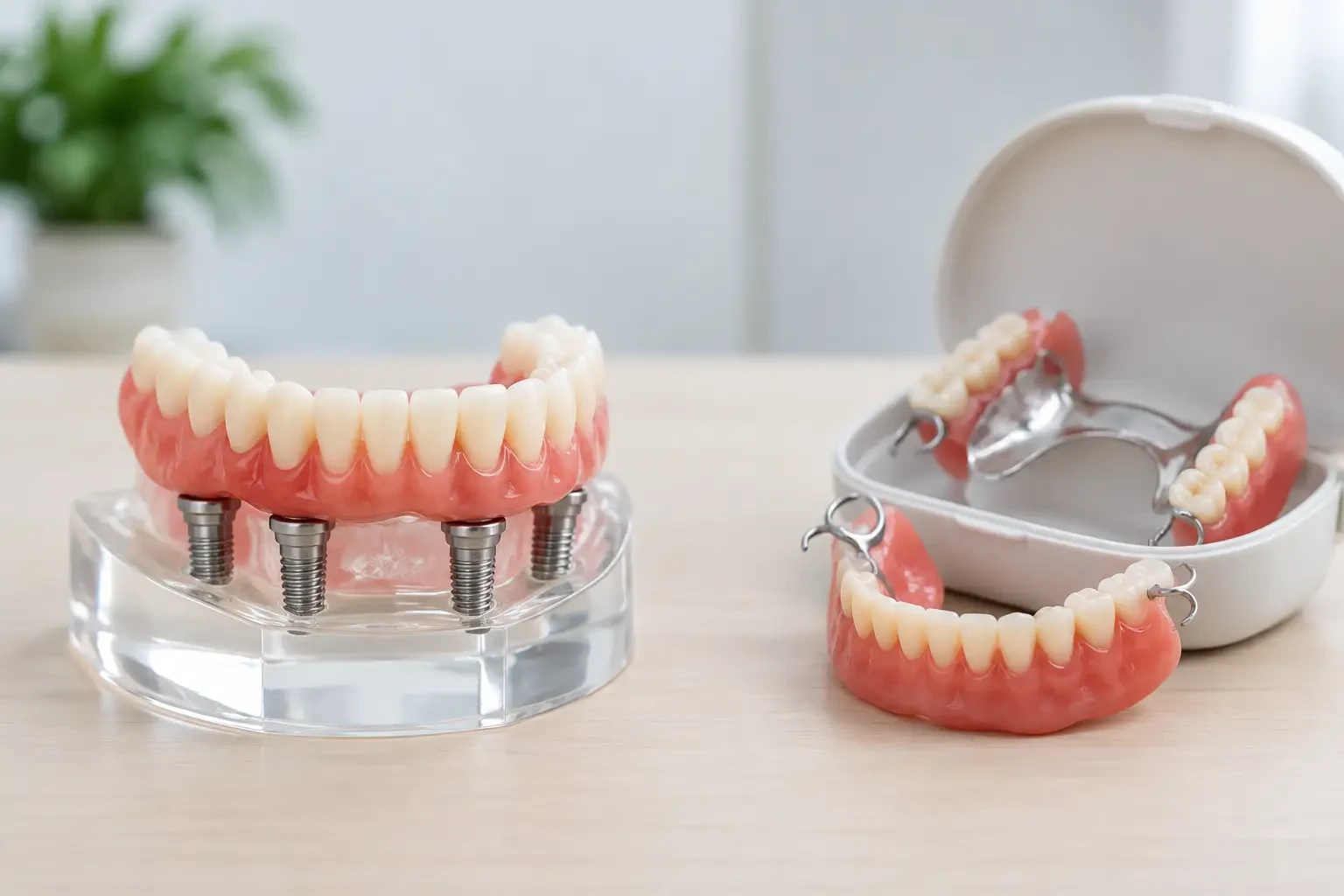
Dental implants are designed to replace both the tooth root and visible crown, helping support jawbone health. A bridge can replace one or more missing teeth by using neighboring teeth for support. A partial denture may be an effective option when several teeth are missing or when a removable solution better fits your needs. The best choice depends on your bone health, bite, timeline, aesthetic goals, and budget.
At Rio Colorado Dental Group, coordinated care allows patients to discuss extraction, bone preservation, restoration, and implant planning with the appropriate dental specialists in one welcoming setting. For patients traveling from Arizona or elsewhere in the United States, clear treatment planning can also make it easier to organize appointments and recovery time.
A tooth extraction may feel like a setback, but it can be the first step toward relief, stronger oral health, and a confident smile. Ask questions, follow your aftercare instructions, and give your smile the thoughtful next-step plan it deserves.
Recommendations