A missing tooth changes more than the way a smile looks. It can affect chewing, speech, bite balance, and confidence in everyday moments. Choosing a Sonora implant dentist gives you the opportunity to replace a missing tooth with a treatment designed around both lasting oral health and a natural-looking result.
Dental implants are not a one-size-fits-all procedure. The quality of the outcome depends on thoughtful planning, healthy supporting tissues, precise placement, and a final restoration made to fit your smile. For patients in San Luis Río Colorado and those traveling from Arizona or elsewhere in the United States, coordinated specialty care can make that process feel clearer and more comfortable.
What a dental implant is designed to do
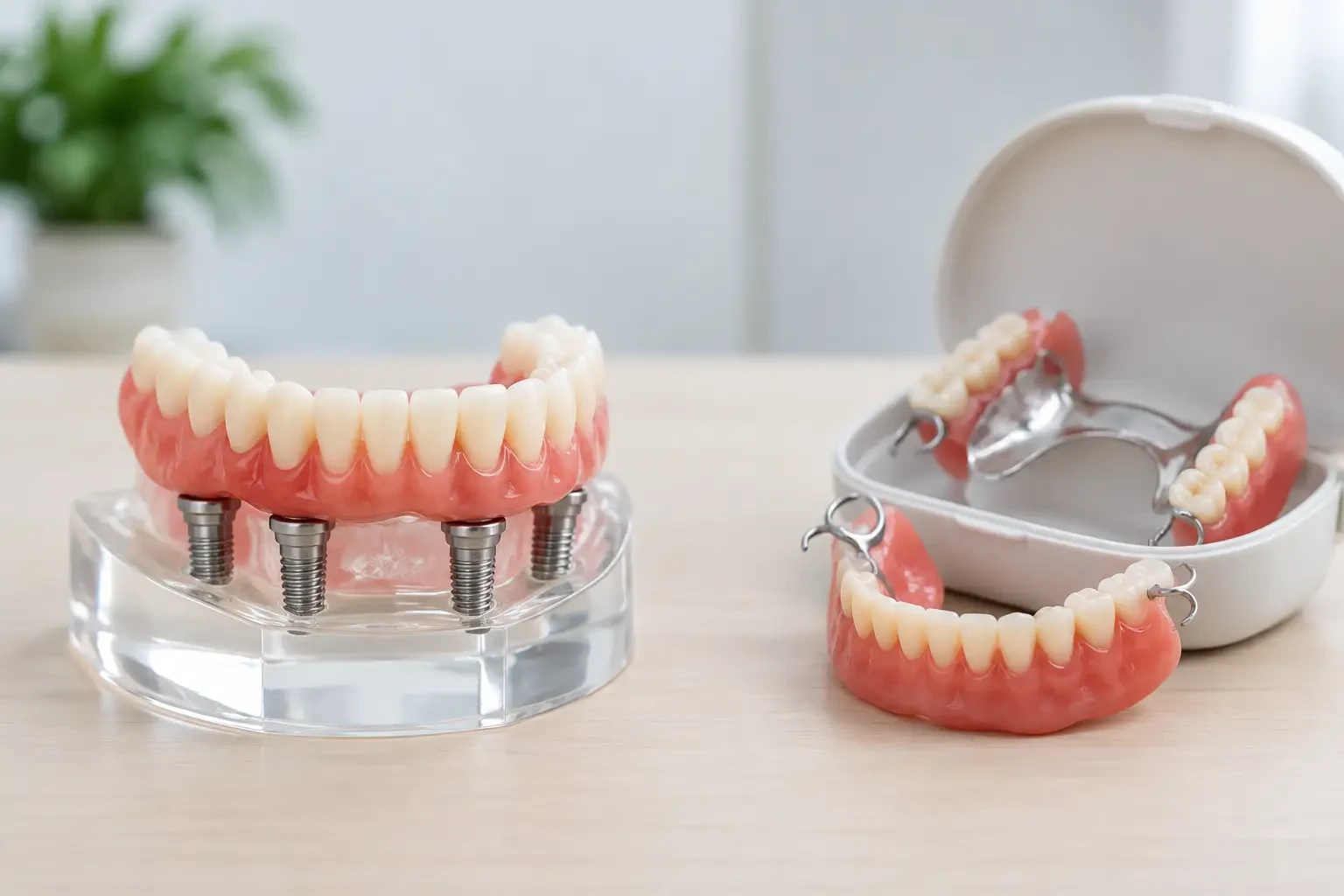
A dental implant replaces the root of a missing tooth. A small biocompatible post is placed in the jawbone, where it gradually integrates with the bone. Once the site has healed appropriately, the implant supports a custom crown, bridge, or full-arch restoration.
Unlike a removable denture, an implant-supported restoration is fixed in place. Unlike a traditional bridge, replacing a single tooth with an implant often avoids placing crowns on the healthy teeth beside the gap. Those are meaningful advantages, but the right solution still depends on your oral health, bone support, bite, timeline, and goals.
Implants can be used in several situations. A single implant and crown may replace one missing tooth. Multiple implants can support a bridge when several teeth are missing, while full-arch implant options can stabilize a complete upper or lower restoration. Your dentist should explain which option fits your needs and why, rather than recommending the same treatment for every patient.
How to choose a Sonora implant dentist
Implant dentistry combines surgery, restorative design, gum health, and bite planning. That is why a complete evaluation matters before treatment begins. Look for a practice where specialists can coordinate the surgical and restorative phases, especially if you have gum disease, failing teeth, bone loss, a complex bite, or existing dental work that needs attention.
A strong consultation should begin with your health history and a detailed examination. Modern imaging helps the clinical team evaluate available bone, locate important anatomical structures, and plan implant placement with greater precision. Your provider should also assess the gums, neighboring teeth, bite forces, and the appearance of your smile when you speak and laugh.
Ask direct questions about who will perform each stage of care, what restoration will be placed on the implant, and how follow-up will be handled. Clear answers build confidence. Implant treatment is a long-term investment, and you deserve to understand the plan before moving forward.
The benefit of coordinated specialty care
Some implant cases are straightforward. Others require preparation before an implant can be placed safely. A patient may need periodontal treatment to control gum disease, extraction of a damaged tooth, a bone graft, or a sinus-related procedure in the upper jaw. These steps are not setbacks. They can create a healthier foundation for the final restoration.
At a multidisciplinary practice, the professionals managing surgery, periodontics, prosthodontic restoration, and dental aesthetics can work from one treatment plan. This helps protect both function and appearance. It also reduces the burden of coordinating separate appointments and records across multiple offices.
A dedicated dental laboratory can add another advantage. The final crown or bridge should not simply fill a space. It should be shaped, shaded, and positioned to complement your surrounding teeth and bite. Careful communication between the clinical team and laboratory supports a result that feels natural when you smile and functions comfortably when you chew.
What the implant process usually involves
Your treatment begins with planning, not surgery. After the evaluation, your dentist will discuss the condition of the tooth being replaced, your bone and gum health, restoration options, expected timing, and fees. If you are traveling for care, this is also the time to discuss how appointments can be organized around your schedule.
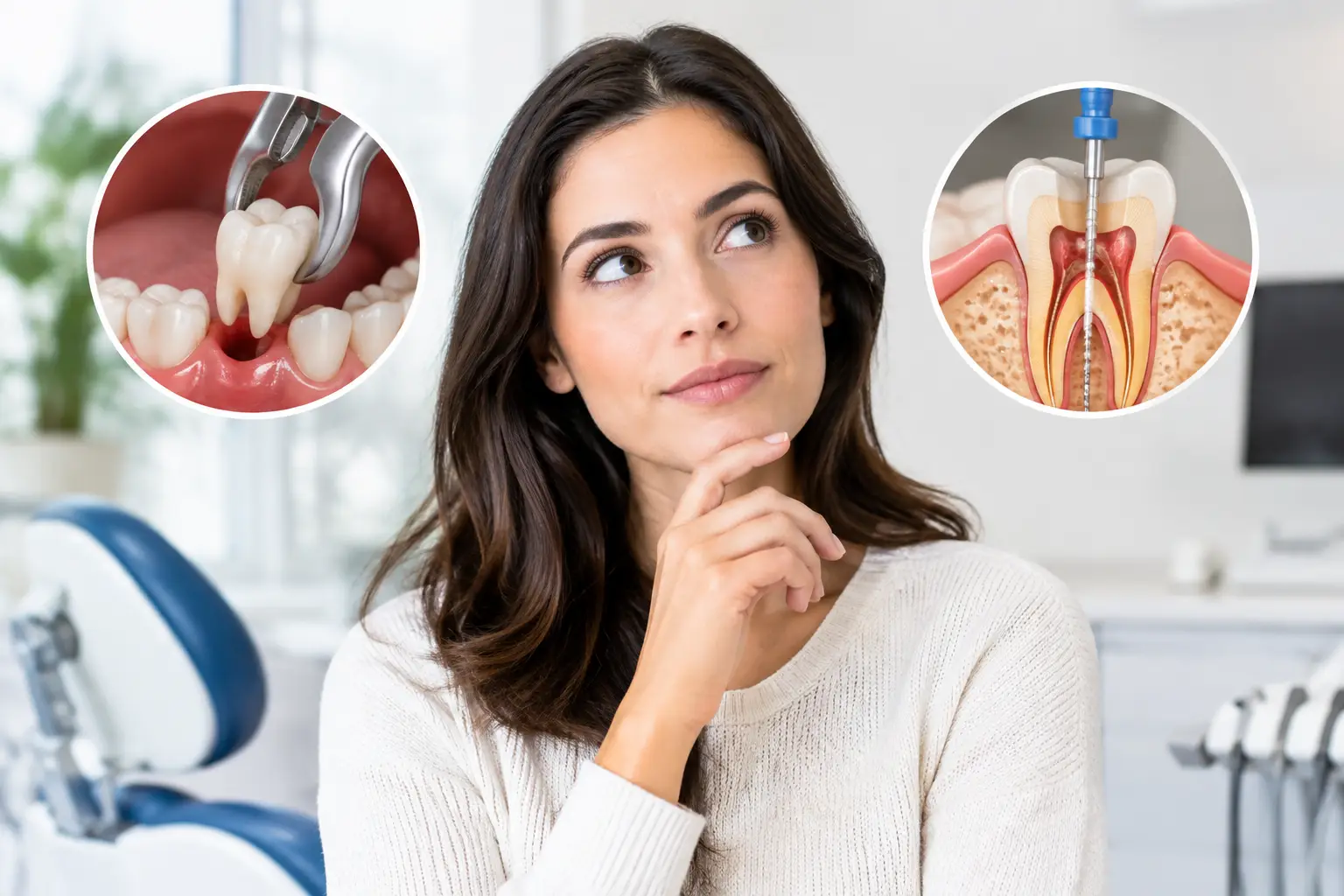
If a tooth needs to be removed, an implant may sometimes be placed during the same visit. In other cases, healing time or bone preservation is recommended first. Immediate placement can be a good option for the right patient, but it is not automatically better. Infection, limited bone, gum condition, and bite pressure can all affect that decision.
During implant placement, the post is positioned in the jawbone according to the treatment plan. Most patients experience manageable discomfort afterward, similar to other minor oral surgery procedures, though every recovery is different. Your team should give you clear instructions for diet, hygiene, medication, and warning signs that require attention.
The implant then needs time to integrate with the bone. Depending on the case, the final crown or bridge may be placed after several months of healing. Temporary teeth may be appropriate during this period, particularly when a front tooth is involved. The final restoration is completed once the implant and surrounding tissues are ready to support it.
A beautiful result also needs a healthy foundation
An implant cannot prevent every future dental concern. Like natural teeth, the tissues around implants need daily care and regular professional monitoring. Plaque buildup and inflammation around an implant can lead to peri-implant disease, which may affect the supporting bone if left untreated.
Brushing twice daily, cleaning between teeth, and attending recommended hygiene visits are essential. Your dentist may suggest specialized brushes, flossing tools, or other aids depending on the shape of your restoration. Patients who grind or clench may also benefit from a protective nightguard to reduce excessive force on the implant and restoration.
Smoking, uncontrolled diabetes, active gum disease, and inconsistent home care can increase risk and influence whether implant treatment is advisable right away. That does not always mean implants are off the table. It may mean that health concerns should be addressed first to improve the likelihood of a stable result.
Questions worth asking before you begin
Before committing to treatment, make sure you understand the full scope of care. A helpful consultation should leave you with practical answers, including:
Whether you need gum treatment, extraction, bone grafting, or other preparation before implant placement.
What type of final restoration is planned and whether a temporary tooth will be available during healing.
How many appointments are expected, particularly if you are traveling from the U.S.
What is included in the treatment estimate, from imaging and surgery to the final crown and follow-up care.
How your insurance benefits may apply and which payment options are available.
The lowest initial price does not always represent the best value if important phases of treatment are excluded or if the final restoration is not planned with long-term function in mind. At the same time, a more involved treatment plan should be explained in plain language, with a clear reason for every recommendation.
Implant care close to the Arizona border
For patients coming from Yuma, Southern California, Nevada, and beyond, receiving implant care in northern Mexico can be a practical choice when the clinic offers bilingual communication, organized scheduling, and comprehensive services in one location. Travel does add planning considerations, particularly because implant treatment often includes healing periods and follow-up visits.
Choose a dental team that respects those logistics without rushing clinical decisions. A well-organized plan can coordinate appointments efficiently while still allowing the time your body needs to heal. If an urgent question comes up after a visit, accessible communication is equally valuable.
Rio Colorado Dental Group brings general dentistry, surgical care, gum treatment, prosthodontics, and aesthetic planning together so patients can pursue implant treatment with a coordinated team. The goal is not simply to replace a missing tooth, but to help you return to eating, speaking, and smiling with greater comfort.
A confident smile begins with a conversation about what your mouth needs now and what will support it for years ahead. Schedule an implant evaluation when you are ready to explore a personalized plan built around your health, comfort, and goals.
Recommendations