A chipped tooth, a sore jaw at breakfast, or a headache that seems to arrive before your day even begins can be easy to dismiss. Yet these may be bruxism warning signs - clues that you are clenching or grinding your teeth, often without realizing it. Early attention can protect your smile, ease facial discomfort, and help prevent small dental concerns from becoming more complex treatment needs.
Bruxism is the clinical term for repeated teeth grinding or clenching. It can occur while you are awake, often during periods of concentration or stress, or during sleep. Because sleep bruxism happens unconsciously, many patients only notice its effects after their teeth, jaw muscles, or dental restorations begin to show wear.
Bruxism Warning Signs to Watch For
Not everyone with bruxism has the same symptoms. Some people experience significant jaw pain, while others have no discomfort at all but develop flattened or fractured teeth over time. A dental examination is the most reliable way to identify the pattern and its impact.
Morning jaw soreness or facial fatigue
Waking up with tightness along the cheeks, temples, or jawline is one of the more familiar signs of nighttime clenching. Your jaw muscles have been working for hours when they should be resting, which can leave them tender or tired in the morning.
The discomfort may fade as the day goes on, making it tempting to ignore. If it returns regularly, however, it deserves attention. Persistent muscle strain can contribute to jaw-joint irritation and make normal activities such as chewing, talking, or yawning uncomfortable.
Frequent headaches, especially near the temples
Tension headaches can have many causes, including stress, posture, dehydration, vision changes, and sleep habits. Bruxism is another possibility, particularly when pain begins around the temples or appears alongside jaw soreness.
A dentist cannot assume every headache is caused by teeth grinding. But when headache patterns, tooth wear, and tight jaw muscles occur together, evaluating for bruxism can provide useful answers.
Flattened, chipped, or unusually sensitive teeth
Teeth are strong, but repeated grinding creates forces they were not designed to handle continuously. Over time, biting edges may look flatter, enamel may become thinner, and small cracks or chips can appear. You might also notice that your teeth seem more sensitive to cold drinks, sweets, or air.
Grinding can affect more than natural enamel. Crowns, veneers, fillings, bridges, and implants must also withstand bite pressure. A chipped restoration or a crown that repeatedly loosens may signal that excessive force is affecting your bite.
Tooth pain without an obvious cavity
A tooth that hurts when you bite down does not always have decay. Clenching can inflame the tissues around a tooth root or aggravate a tiny crack that is difficult to see without a careful exam. The sensation may be intermittent, which can make it confusing.
Pain should never be self-diagnosed as grinding. A dental professional needs to rule out concerns such as infection, decay, gum problems, or a fractured tooth before recommending the right treatment.
Worn or damaged dental work
If you have had cosmetic or restorative dental treatment, protecting it matters. Grinding may cause porcelain to chip, composite bonding to wear, or a night guard to show deep marks quickly. These are not simply cosmetic issues. Damaged restorations can alter how your teeth come together and place additional stress on other areas of your mouth.
Clicking, popping, or limited jaw movement
The jaw joint can click or pop for reasons that are not always serious, and not every clicking jaw requires treatment. Still, when clicking occurs with pain, stiffness, locking, or difficulty opening your mouth, it should be evaluated.
Bruxism may be one contributing factor because it places extra demand on the muscles and joints used for chewing. The right plan depends on your symptoms, bite, joint health, and the condition of your teeth - not on a one-size-fits-all solution.
A sleep partner hears grinding
Many people learn they grind their teeth because a partner or family member hears a scraping sound during the night. This is a valuable clue, but silence does not rule bruxism out. Some people clench firmly without making any noise at all.
Why Bruxism Can Become a Bigger Dental Problem
Occasional clenching during a stressful moment is common. The concern increases when the habit is frequent, forceful, or persistent enough to damage teeth and strain the jaw. Enamel does not grow back once it has worn away. As surfaces flatten, the bite can change, teeth can become more vulnerable to fractures, and existing dental work may need repair or replacement sooner than expected.
Bruxism can also create a frustrating cycle. Stress may increase clenching, while jaw discomfort and poor sleep may leave you feeling more tense the next day. For patients with missing teeth, uneven bite contact, orthodontic concerns, or extensive restorations, a comprehensive evaluation is particularly helpful because several factors may be involved at once.
What Causes Teeth Grinding?
There is rarely one single cause. Awake clenching is often connected to stress, concentration, or certain habits such as chewing gum frequently. Sleep bruxism may be associated with sleep disruptions, some medications, alcohol use, caffeine, tobacco, or the way the teeth and jaws meet.
This does not mean that everyone who feels stressed will grind their teeth, or that correcting a bite alone will solve every case. Bruxism management works best when it is tailored to the person. Your dental team may also recommend discussing sleep concerns or medication questions with your physician when appropriate.
What to Do If You Notice Signs of Bruxism
Start by paying attention to patterns. Notice whether you wake with jaw tension, catch yourself clenching while driving or working, or feel pain when biting. Avoid testing sore teeth by repeatedly pressing or chewing on them, since that can worsen irritation.
During the day, a simple resting position can help: keep your lips together gently, teeth apart, and tongue relaxed against the roof of your mouth. Your teeth do not need to touch unless you are chewing or swallowing. If you notice clenching, relax your shoulders and jaw rather than trying to force your mouth open.
At home, reducing late-day caffeine or alcohol may help some people, especially when symptoms seem connected to sleep. Gentle heat can provide temporary comfort for tired jaw muscles. These steps can be useful, but they are not a substitute for an examination when pain, damage, or ongoing symptoms are present.
How a Dentist Can Help Protect Your Smile
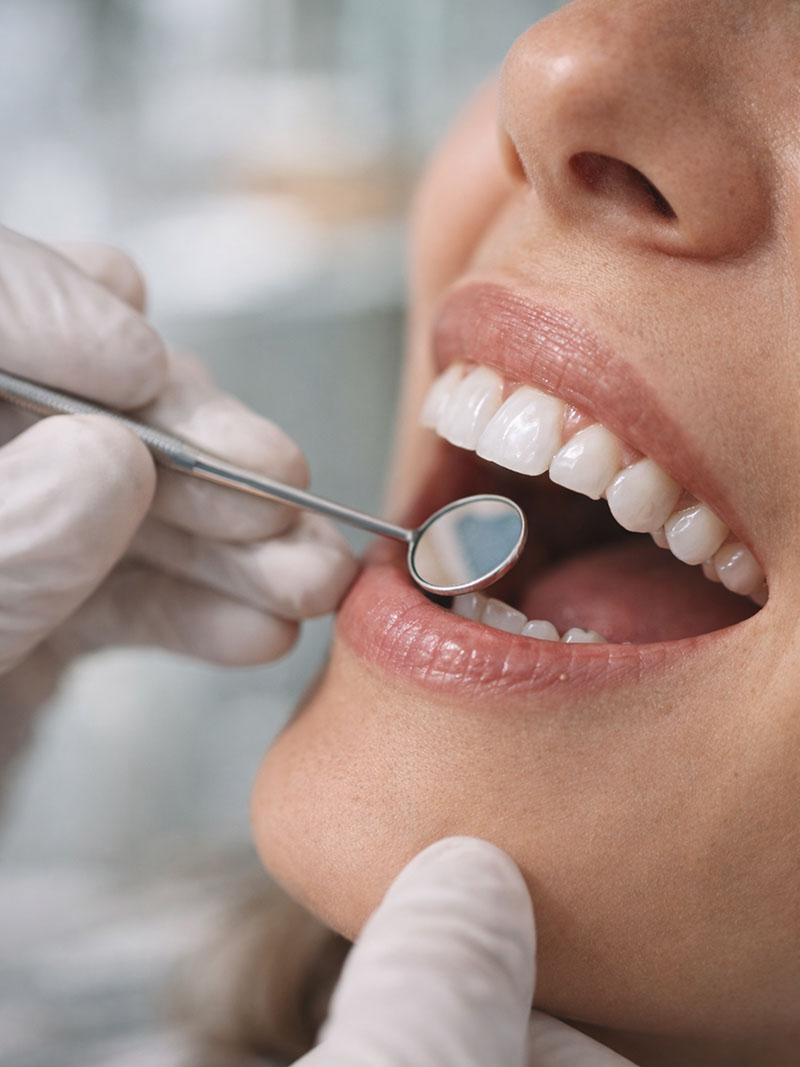
A dentist can look for wear patterns, cracks, muscle tenderness, gum recession, and changes in your bite. X-rays or other diagnostic tools may be used when tooth pain or hidden damage is suspected. This careful approach matters because treatment should address both protection and the cause of your symptoms whenever possible.
For many patients, a custom-made night guard is an effective way to create a protective barrier between the upper and lower teeth during sleep. It is designed for your bite and is different from a generic store-bought guard. An over-the-counter option may offer short-term protection in some situations, but a poorly fitting device can feel bulky, wear out quickly, or fail to address a changing bite.
Depending on your needs, care may also include repairing damaged teeth, adjusting a restoration that is interfering with your bite, treating gum or tooth problems, or coordinating care for jaw-joint or sleep-related concerns. At Rio Colorado Dental Group, a multidisciplinary approach allows patients with worn teeth, damaged restorations, or more complex bite concerns to receive coordinated care in one welcoming setting.
If you are noticing jaw tension, morning headaches, tooth sensitivity, or visible tooth wear, schedule a dental evaluation before the problem progresses. A comfortable, personalized plan can help protect the work your smile has already done for you - and help you face each day with less tension and more confidence.
Recommendations