A missing tooth affects more than the visible space in your smile. Over time, the jawbone beneath it can lose volume because it is no longer being stimulated by a natural tooth root. This guide to dental bone grafting explains how grafting can restore that support and help create a healthier foundation for a future dental implant.
Bone grafting may sound like a major procedure, but it is a well-established part of modern implant treatment. For many patients, it is the step that makes a secure, natural-looking tooth replacement possible. The right approach depends on your bone levels, gum health, medical history, and goals for your smile.
What Is Dental Bone Grafting?
Dental bone grafting is a procedure that adds bone material to an area of the jaw where bone has been lost or is too thin to support an implant. Over time, your body gradually replaces the graft material with new living bone. The goal is not simply to fill an empty space. It is to create stable bone that can hold an implant securely and support the contour of the gums and face.
A graft may use processed donor bone, synthetic material, animal-derived mineral material, or bone taken from another area of the patient’s body. Each option has a role in treatment. Your dental specialist will recommend a material based on the location and size of the defect, the type of restoration planned, and your individual healing needs.
Not every implant patient needs a graft. If a tooth is replaced soon after extraction and the surrounding bone is healthy, an implant may be possible without additional grafting. However, bone loss is common after tooth loss, periodontal disease, infection, trauma, or long-term denture wear. A detailed evaluation prevents assumptions and allows treatment to be planned around what your jaw actually needs.
Why Bone Loss Matters Before an Implant
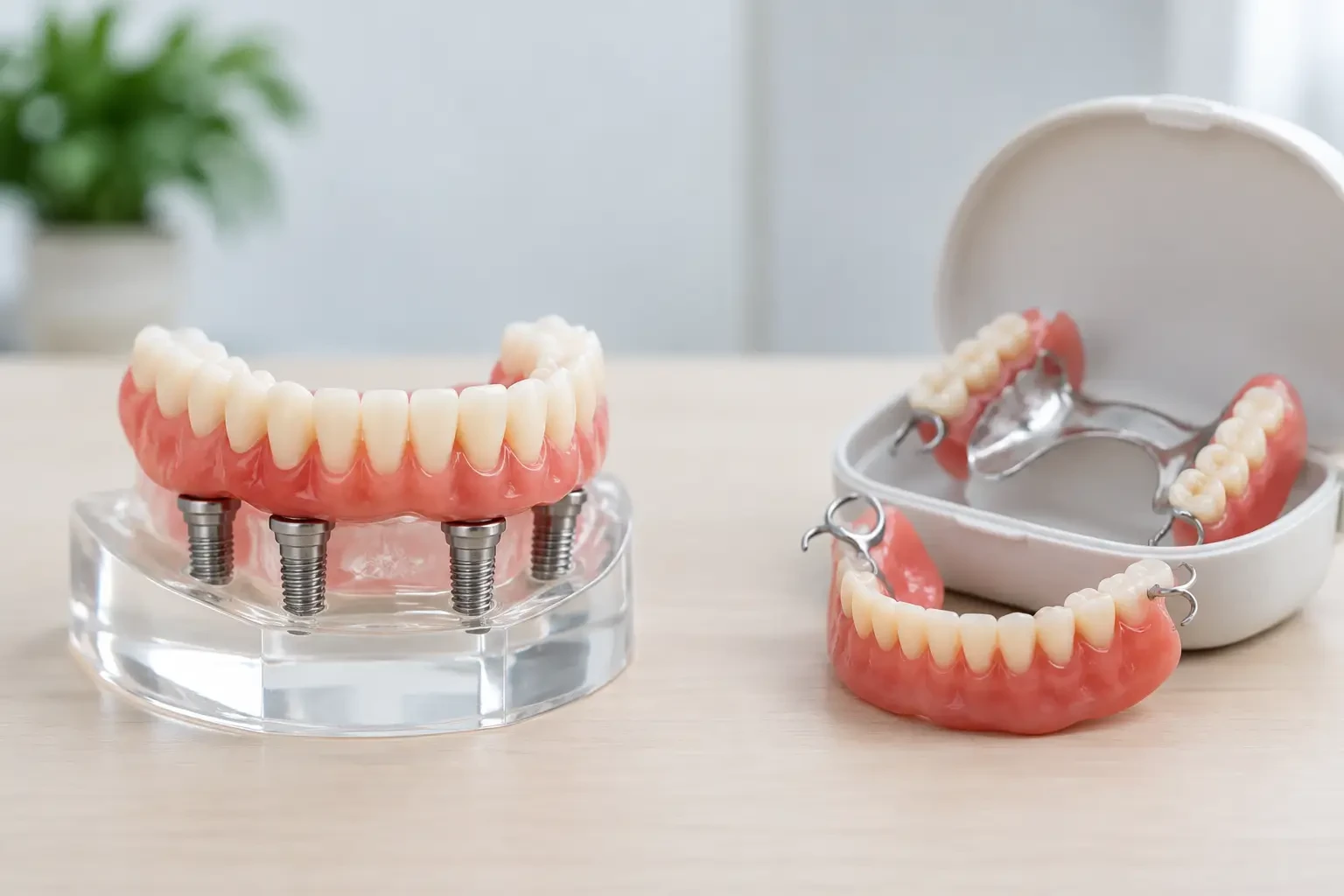
Dental implants work by integrating with the jawbone. This process, called osseointegration, gives the implant the strength to function much like a tooth root. When there is not enough healthy bone around the implant, placement may be less predictable or may not be recommended until the area is rebuilt.
Adequate bone also contributes to appearance. The jawbone supports the gums, and the gums frame your final crown. In visible areas, especially the front teeth, rebuilding bone can help prevent a sunken gumline or an unnatural-looking gap around the restoration.
Bone grafting is therefore both a health and aesthetic decision. It can make the difference between placing an implant quickly and placing one with the long-term support needed for comfortable chewing and a balanced smile.
Types of Dental Bone Grafting Procedures
The phrase “bone graft” covers several procedures. Your treatment plan may involve a simple socket graft after an extraction or a more advanced procedure when substantial bone has already been lost.
Socket Preservation After Tooth Removal
After a tooth is extracted, the empty socket naturally begins to shrink. A socket preservation graft is placed at the time of extraction to help maintain the height and width of the jawbone. It is often a proactive option for patients who expect to replace the tooth with an implant later, even if they are not ready to begin implant treatment immediately.
Ridge Augmentation
A ridge augmentation rebuilds an area of the jaw that has become too narrow or too low for ideal implant placement. The graft is shaped and placed where bone volume is needed, sometimes with a protective membrane that helps guide healing. This approach can be especially valuable when a tooth has been missing for months or years.
Sinus Lift
Upper back teeth sit near the maxillary sinus, an air-filled space above the jaw. If the bone below that sinus is too shallow, a sinus lift may be recommended. The sinus membrane is gently raised, and graft material is placed beneath it to build enough vertical bone for an implant. While the name can sound intimidating, it is a common solution for replacing upper molars and premolars.
Periodontal or Infection-Related Grafting
Bone loss caused by gum disease or infection may need to be addressed before or alongside implant planning. In these cases, controlling active disease is essential. A graft cannot succeed as intended if bacteria, inflammation, or untreated gum disease continue to compromise the area.
What Happens During Treatment?
Your first step is a comprehensive examination, which may include digital X-rays and 3D imaging. These images allow the dental team to measure bone volume, evaluate nearby nerves and sinuses, identify infection, and determine whether grafting is necessary. They also help plan implant placement with greater precision.
During the procedure, local anesthesia is used to keep you comfortable. Sedation options may also be available depending on the procedure and your level of dental anxiety. The specialist prepares the treatment area, places the graft material, and may cover it with a membrane before closing the gums with sutures.
Some patients receive a bone graft and implant during the same appointment. Others need a separate healing period first. Neither path is automatically better. Immediate placement can be appropriate when the site is clean and stable, while staged treatment is often the safer choice when more bone must be rebuilt.
Healing After a Dental Bone Graft
Most patients experience mild swelling, tenderness, and minor bleeding for several days. These are expected parts of early healing. Your dentist may prescribe medication, recommend cold compresses, and provide specific instructions for brushing, rinsing, eating, and activity.
For the first few days, softer foods are usually best. Avoid chewing directly on the grafted area, smoking, drinking through straws, and vigorous rinsing, since these habits can disrupt the surgical site. If a small amount of graft material appears in your mouth, contact the dental office for guidance rather than assuming the graft has failed.
The visible gums often heal sooner than the bone underneath. Depending on the graft type and treatment area, bone maturation may take approximately three to six months, and more complex cases can take longer. Follow-up visits are important because they allow your specialist to confirm that healing is progressing before moving forward with implant placement.
Call your dental team promptly if you develop worsening pain after the first few days, persistent heavy bleeding, fever, drainage, or swelling that increases rather than improves. Early attention can protect both your comfort and the outcome of treatment.
Factors That Can Affect Your Result
Successful graft healing depends on more than the surgical procedure. Smoking and nicotine use significantly reduce blood flow and can increase the risk of complications. Poorly controlled diabetes, untreated periodontal disease, certain medications, and inconsistent oral hygiene can also affect healing.
This does not mean every patient with a medical condition is unable to receive a graft or implant. It means planning needs to be individualized. Be open about your health history, medications, past dental treatment, and lifestyle habits. A coordinated practice with surgical, periodontal, restorative, and laboratory support can plan each stage around the final result rather than treating the graft as an isolated procedure.
Is Dental Bone Grafting Worth It?
For a patient who wants an implant but lacks enough supporting bone, grafting can be a worthwhile investment in stability, function, and appearance. It may add time and cost to the overall process, but skipping a necessary graft can create greater risks for the implant and the surrounding gums later.
At Rio Colorado Dental Group, implant planning is designed around your full oral health picture, not a one-size-fits-all timeline. A careful evaluation can clarify whether grafting is needed now, whether an alternative tooth-replacement option makes more sense, and what steps can help you move forward with confidence.
A healthy foundation gives your future smile the support it deserves. If you have been told you need a bone graft, or you are considering an implant after tooth loss, a personalized consultation can turn uncertainty into a clear, comfortable plan.
Recommendations