A missing tooth can change more than the way you chew. It can affect how clearly you speak, which foods feel comfortable, and how freely you smile in photos or conversations. If you are researching how to choose a dental implant, the most useful place to start is this: you are not simply choosing a product. You are choosing a treatment plan, a clinical team, and a restoration designed around your health, bite, and goals.
A dental implant is a small post, usually made from titanium, placed in the jawbone to replace a missing tooth root. Once it has healed and integrated with the bone, it supports a custom crown, bridge, or denture. The right choice should feel natural, function reliably, and protect the health of the teeth and gums around it.
How to Choose a Dental Implant: Start With Your Needs
There is no single implant that is best for every person. The ideal option depends on where the tooth is missing, the amount and quality of your jawbone, the condition of your gums, your bite, and whether you need to replace one tooth, several teeth, or a full arch.
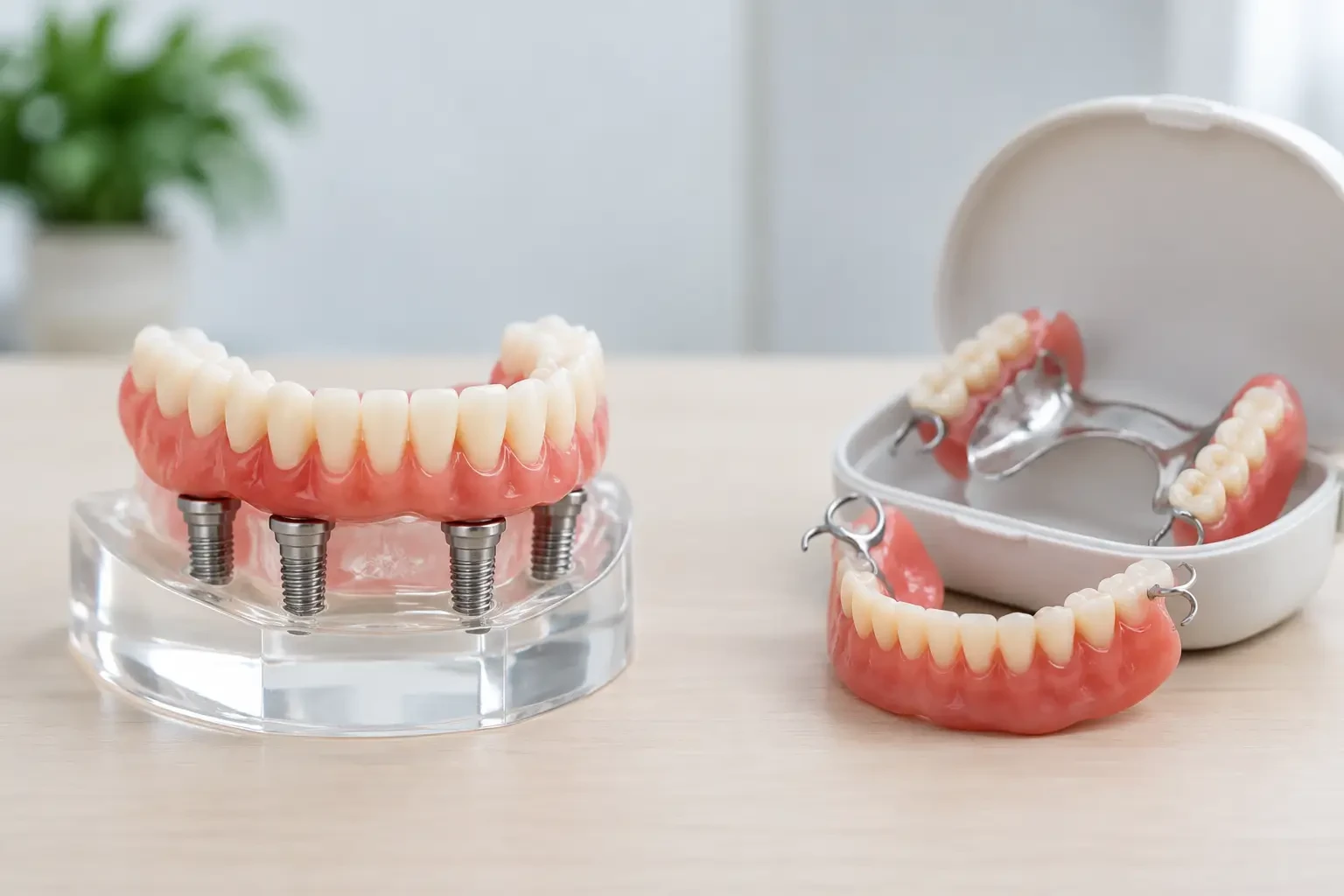
For one missing tooth, an implant-supported crown is often the most conservative solution because it replaces the tooth without requiring neighboring teeth to be filed down for a traditional bridge. For multiple missing teeth, an implant-supported bridge may offer stable support with fewer implants than individual crowns. For patients missing most or all teeth, implant-retained or fixed full-arch restorations can provide a much more secure alternative to removable dentures.
Your priorities matter, too. Some patients want the most natural-looking front-tooth restoration possible. Others need a durable back-tooth solution for strong chewing forces. If time is a concern, ask whether immediate placement or a temporary tooth is appropriate. These options can be beneficial in select cases, but they depend on infection status, bone stability, bite pressure, and healing conditions. A careful plan is more valuable than a rushed timeline.
Choose the Specialist Team, Not Just the Implant Brand
Implant systems and materials matter, but clinical planning has a larger effect on the success of your result. An implant must be positioned precisely so it can support the final crown comfortably, preserve surrounding bone, and work with your bite. Placement that is technically possible is not always placement that is ideal for appearance or long-term function.
Look for a practice that evaluates the full picture before recommending treatment. This usually includes a comprehensive exam, digital imaging, an assessment of gum health, and a discussion of your medical and dental history. Three-dimensional imaging can help your dentist evaluate bone volume and identify important structures, such as nerves and sinus spaces, before surgery.
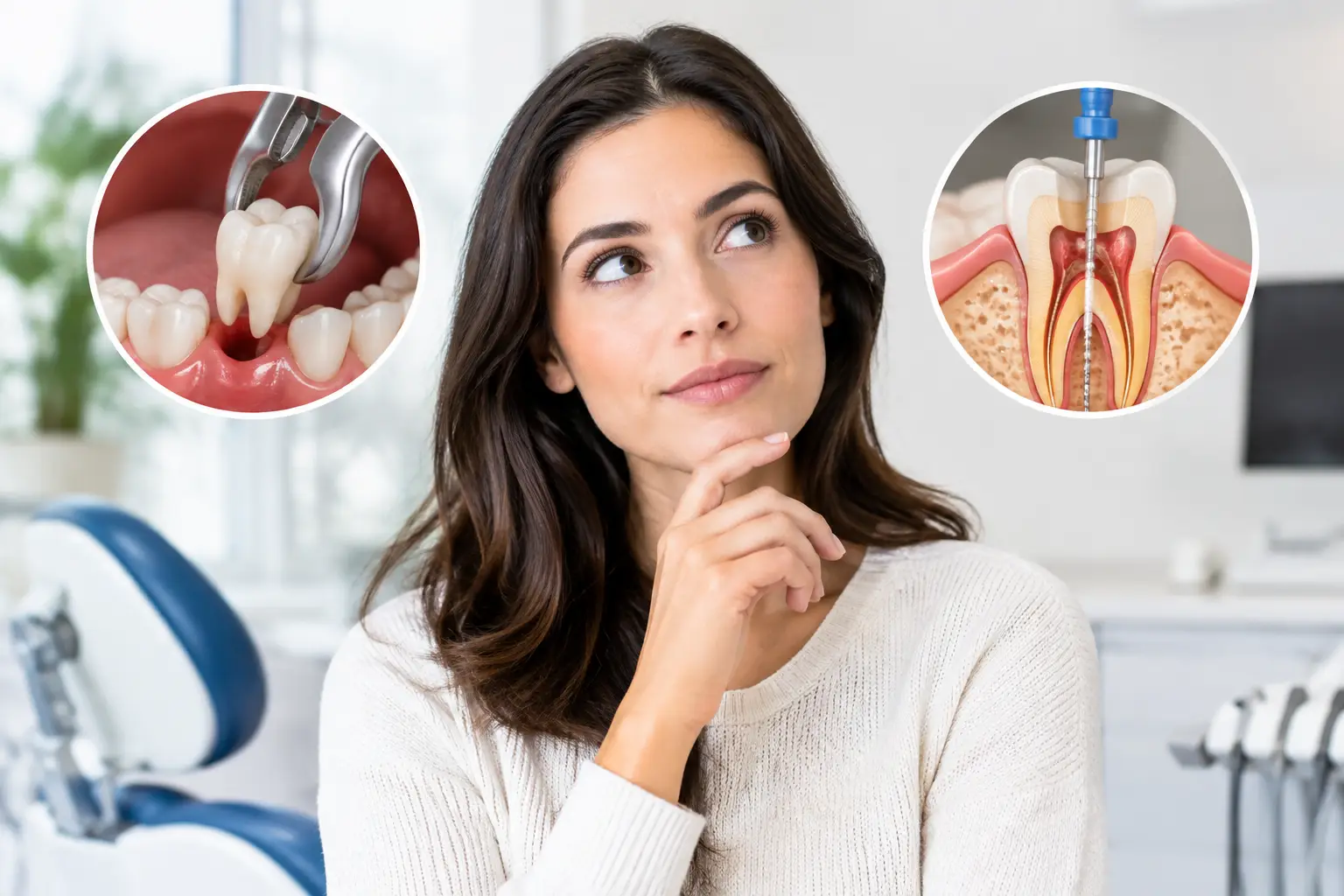
Coordinated care is especially valuable when your case is complex. A patient may need gum treatment before implant placement, a root canal evaluation for neighboring teeth, orthodontic movement to create proper space, or a bone graft to improve the foundation. When specialists work together with the restorative dentist and dental laboratory, the final tooth can be planned before the implant is placed. That approach helps support a result that looks balanced and feels comfortable.
Understand the Implant, Abutment, and Crown
Patients often hear “dental implant” used to describe the entire replacement tooth. In reality, the treatment has three key parts: the implant post in the bone, the abutment that connects it to the visible tooth, and the crown or prosthesis you see when you smile.
Most implant posts are titanium, a material with a long record of use and strong compatibility with bone. Zirconia implant options are also available in certain situations, particularly for patients interested in a metal-free approach. Neither material is automatically better for everyone. Your dentist should explain what is appropriate for your anatomy, restoration type, and treatment objectives.
The visible crown deserves equal attention. A front tooth may require advanced shade matching, translucency, and gum-line design to blend naturally with surrounding teeth. A molar crown must manage heavier chewing forces. Ceramic and zirconia restorations are common choices, but the best material depends on the location of the tooth, your bite, and your esthetic expectations.
Ask to see how the treatment is planned from the final smile backward. This simple question shifts the conversation from “Which implant is cheapest?” to “Which restoration will best serve my smile and oral health?”
Make Sure Your Gums and Bone Are Ready
Healthy gums and stable bone create the foundation for implant success. Gum disease, untreated infection, uncontrolled diabetes, smoking, teeth grinding, and poor oral hygiene can increase the risk of complications. These concerns do not always rule out implants, but they may change the timing or type of treatment recommended.
If a tooth has been missing for a long time, the jawbone in that area may have shrunk. A bone graft may be recommended to rebuild adequate support before or during implant placement. In the upper back jaw, a sinus lift may sometimes be needed when the sinus floor is close to the planned implant site. These added procedures can extend treatment time and cost, but skipping necessary preparation can compromise the result.
This is where honest guidance matters. A reliable provider will explain whether grafting is truly needed, what alternatives exist, and how each choice affects your expected outcome. The goal is not to add treatment unnecessarily. It is to create a stable foundation for a restoration that lasts.
Compare Cost by Value and Transparency
Price is a practical consideration, especially for patients traveling from Arizona, California, Nevada, or elsewhere in the U.S. for dental care in Mexico. However, implant quotes can be difficult to compare because one office may list only the surgical implant while another includes the abutment, crown, imaging, temporary restoration, or follow-up visits.
Before committing, request a written treatment plan that clearly identifies what is included. You should understand whether the estimate covers diagnostic imaging, extraction if needed, grafting, the implant post, abutment, final crown, laboratory work, medication, and follow-up care. Ask what happens if an unexpected clinical issue is found during treatment and whether financing or insurance support may be available.
The lowest initial quote is not always the most affordable choice over time. A well-designed restoration, quality laboratory work, and appropriate maintenance can help reduce the likelihood of avoidable repairs. At the same time, a higher price does not guarantee better care. Clear communication, experienced specialists, thoughtful planning, and transparent fees are stronger signs of value.
Ask About Timing, Healing, and Maintenance
Implant treatment commonly takes several months because bone needs time to heal around the implant. Some cases allow for a same-day temporary tooth, while others require a staged approach for predictable healing. Your dentist should explain your expected schedule in plain language, including when you can eat normally and when the final restoration is likely to be placed.
Long-term care is straightforward but essential. Implants cannot develop cavities, yet the gum and bone around them can become inflamed if plaque is allowed to build up. Brush carefully, clean between teeth or around the restoration as instructed, and keep regular professional exams and cleanings. If you grind your teeth, a night guard may help protect both your implant crown and natural teeth.
Pay attention to warning signs after treatment, including persistent discomfort, swelling, bleeding around the implant, a loose crown, or changes in your bite. Early evaluation can often prevent a small issue from becoming a larger one.
Choose a Plan That Supports Your Whole Smile
The best dental implant is the one that fits your mouth, your health, and your life - not the one with the most impressive label or the fastest promise. You should leave your consultation understanding why a particular implant approach was recommended, what your alternatives are, what the investment includes, and how your care will be coordinated from surgery through the final crown.
At Rio Colorado Dental Group, implant planning can bring surgical, periodontal, restorative, and dental laboratory expertise together in one welcoming setting, with bilingual support for patients on both sides of the border. A personalized consultation is the right next step when you want answers that are specific to your smile, not a one-size-fits-all recommendation.
Recommendations