A mint can cover an odor for a few minutes, but it cannot remove the bacteria, dry mouth, or gum problem causing it. Learning how to prevent bad breath means focusing on the source, not simply masking it. With consistent home care and the right dental attention when needed, fresh breath can become part of feeling comfortable speaking, smiling, and getting close to others.
Why bad breath happens
Most persistent bad breath, also called halitosis, begins in the mouth. Bacteria feed on food particles, plaque, dead cells, and proteins left on the teeth, gums, and especially the tongue. As they break these materials down, they release sulfur compounds with an unpleasant odor.
Morning breath is common because saliva production slows while you sleep. Saliva naturally rinses away food debris and helps control bacteria, so a dry mouth gives odor-causing bacteria more opportunity to grow. Breath that stays unpleasant after brushing, flossing, eating, and drinking water deserves a closer look.
Gum inflammation, untreated cavities, cracked fillings, infected teeth, poorly cleaned dentures, and food trapped around dental work can all contribute. In some cases, bad breath is related to dry-mouth medications, smoking, sinus concerns, acid reflux, or other health conditions. That is why a lasting solution starts with a careful look at your everyday habits and oral health.
How to prevent bad breath with a better daily routine
The most reliable routine is simple, but it must be thorough. Brush twice a day for two full minutes with fluoride toothpaste, reaching the gumline, the chewing surfaces, and the backs of the teeth. A soft-bristled toothbrush is usually the best choice because it can clean effectively without irritating the gums.
Floss or use another interdental cleaner once a day. Your toothbrush cannot fully clean the tight spaces between teeth, where plaque and food debris often remain. If traditional floss is difficult because of braces, bridges, or limited hand mobility, an interdental brush or water flosser may be a helpful addition. The best option is the one you can use correctly and consistently.
Clean your tongue, not just your teeth
The back of the tongue is one of the most common places for odor-producing bacteria to collect. After brushing, gently clean your tongue with a tongue scraper or toothbrush, moving from back to front. Do not scrub aggressively. The goal is to remove the coating without causing discomfort or triggering a gag reflex.
For many people, this small habit makes a noticeable difference within days. If a persistent white, yellow, or thick coating remains, bring it up at your dental visit rather than trying harsh home remedies.
Choose mouthwash with a purpose
Mouthwash can be useful, but not every rinse treats the same issue. Cosmetic rinses may give a temporary fresh taste while doing little to reduce the bacteria behind the odor. An alcohol-free antibacterial mouthwash may be a better choice for people with dry mouth, sensitive tissues, or recurring bad breath.
Avoid relying on mouthwash as a substitute for brushing and cleaning between teeth. If a rinse burns, leaves your mouth feeling drier, or seems to worsen the problem, stop using it and ask your dental team for guidance. The best product depends on your gums, saliva flow, restorations, and overall oral health.
Keep saliva working for you
Dry mouth is a frequent and often overlooked reason breath changes. Sip water regularly throughout the day, particularly if you talk often at work, exercise in a dry climate, or spend time in air-conditioned spaces. Water also helps rinse away particles that bacteria use as fuel.
Sugar-free gum or lozenges containing xylitol can stimulate saliva after meals when brushing is not possible. This is not a replacement for brushing, but it is a practical strategy during travel, long meetings, or a busy day. Chewing gum with sugar is less helpful because frequent sugar exposure can raise the risk of tooth decay.
Caffeine, alcohol, and tobacco can make dry mouth worse for some people. You do not necessarily need to eliminate coffee to have fresher breath, but pairing it with water and avoiding frequent sugary coffee drinks can help. Smoking and vaping also leave a lingering odor, reduce healthy saliva flow, and increase the risk of gum disease. Stopping is one of the strongest steps you can take for both breath and long-term oral health.
Think about food without fearing it
Garlic, onions, coffee, certain spices, and alcohol can affect breath temporarily. Some of these odors are absorbed into the bloodstream and released through the lungs, which is why brushing immediately afterward may not completely solve the issue. Drinking water, cleaning your mouth after eating, and allowing time for the odor to pass are more realistic than trying to erase it with strong mints.
A balanced diet that includes crisp fruits and vegetables can support saliva flow and help clear the mouth after meals. At the same time, frequent snacking on sugary or sticky foods gives mouth bacteria repeated fuel. The concern is not an occasional treat. It is the pattern of leaving sugars on the teeth throughout the day.
When bad breath may point to a dental problem
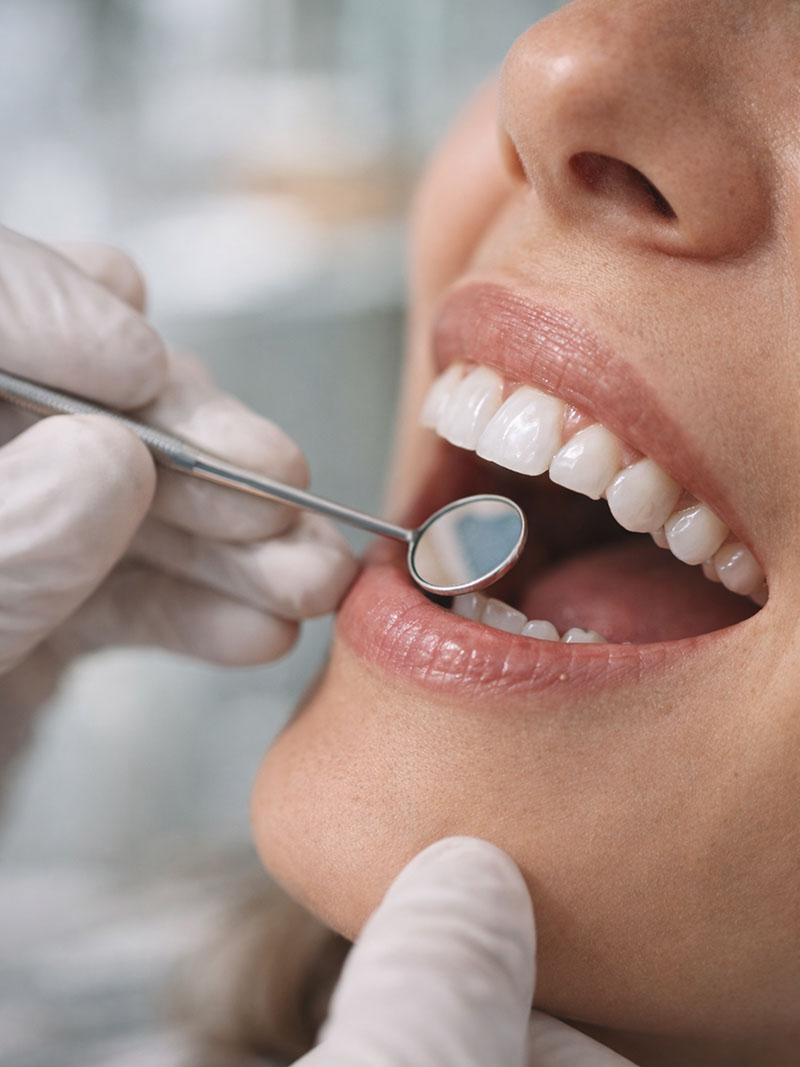
If you have bleeding gums, gum tenderness, tooth pain, a bad taste that does not go away, loose teeth, visible decay, or a sore near a tooth, schedule a dental evaluation. These symptoms can signal gum disease, decay, infection, or another concern that home care alone cannot resolve.
Bad breath associated with gum disease is especially common because bacteria can collect below the gumline in areas a toothbrush cannot reach. Professional cleanings remove hardened plaque, called tartar, and allow your dentist or periodontist to assess the health of the supporting tissues around your teeth. Early treatment can protect your smile and often improves breath as well.
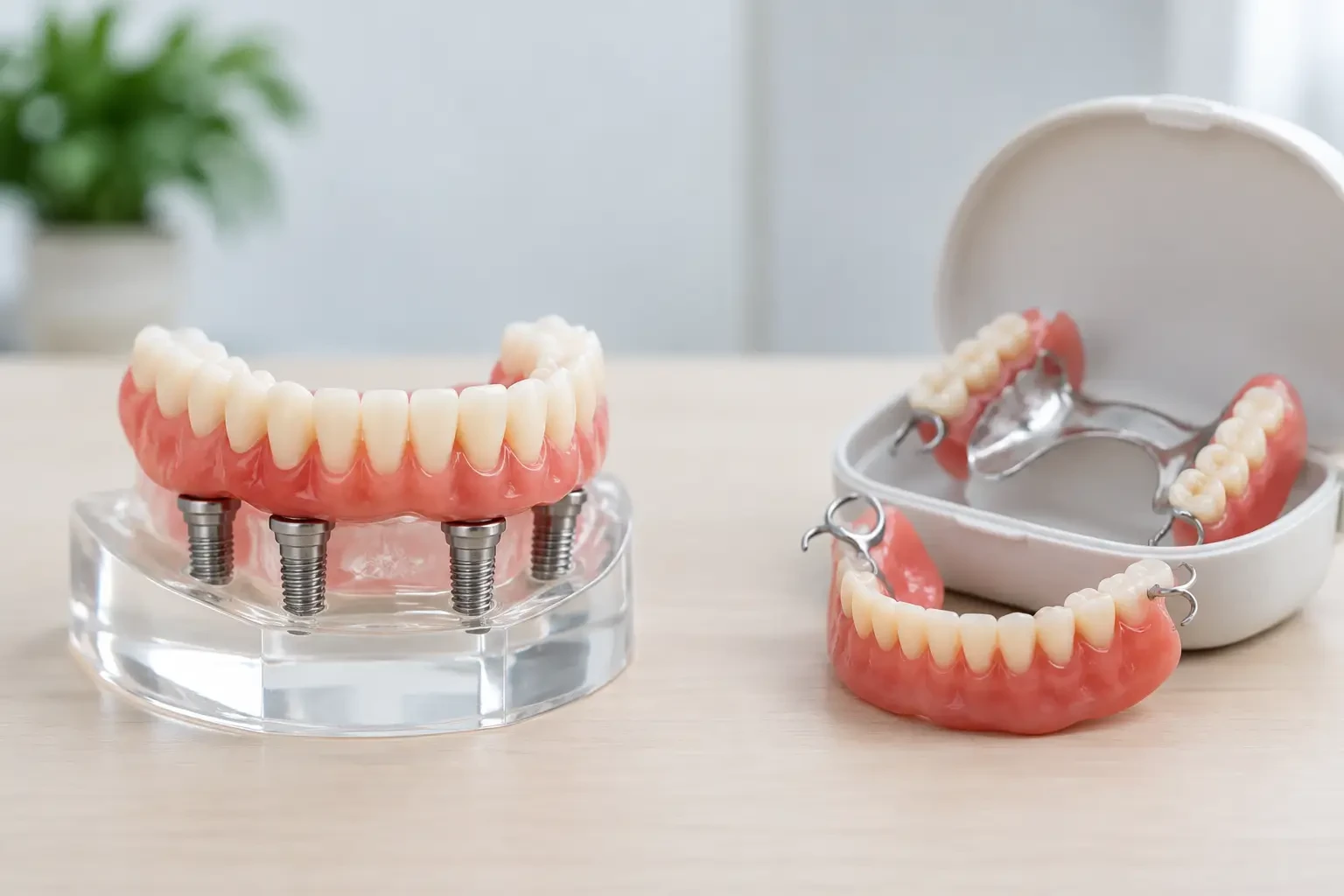
Dentures, bridges, retainers, and removable appliances need daily cleaning too. Remove them as instructed, clean all surfaces with products appropriate for the material, and clean your gums and tongue before placing them back in your mouth. Never use very hot water, which can warp some appliances. If an appliance fits poorly, traps food, or has a persistent odor even after cleaning, it may need professional adjustment or replacement.
Do not ignore persistent changes
Bad breath that continues for several weeks despite careful brushing, tongue cleaning, flossing, and hydration should be evaluated. Your dental team can check for common oral causes first, including hidden decay, leaking restorations, gum pockets, infection, and dry mouth. If your mouth appears healthy, they may recommend discussing other possible causes with your physician.
Seek prompt care for facial swelling, fever, severe tooth pain, drainage, trouble swallowing, or trouble breathing. These signs may indicate a dental infection requiring urgent attention. A breath change alone is rarely an emergency, but it should not be dismissed when it comes with pain or swelling.
For patients in the Sonora-Arizona border region, Rio Colorado Dental Group can coordinate preventive exams, periodontal care, restorative treatment, and specialist services in one welcoming setting. A professional exam can replace guesswork with a clear plan for fresher breath and stronger oral health.
Fresh breath is not about chasing a perfect minty taste all day. It is about a clean mouth, healthy gums, enough saliva, and the confidence that comes from addressing concerns early. If your routine is not giving you the result you want, scheduling a dental visit is a positive next step for your comfort, wellness, and smile.
Recommendations