A severely damaged tooth can affect far more than your ability to chew. Persistent pain, swelling, infection, and difficulty sleeping can make everyday life uncomfortable. So, when do teeth need extraction? Extraction is considered when keeping the tooth would put your oral health at greater risk than removing it - but it is not usually the first option.
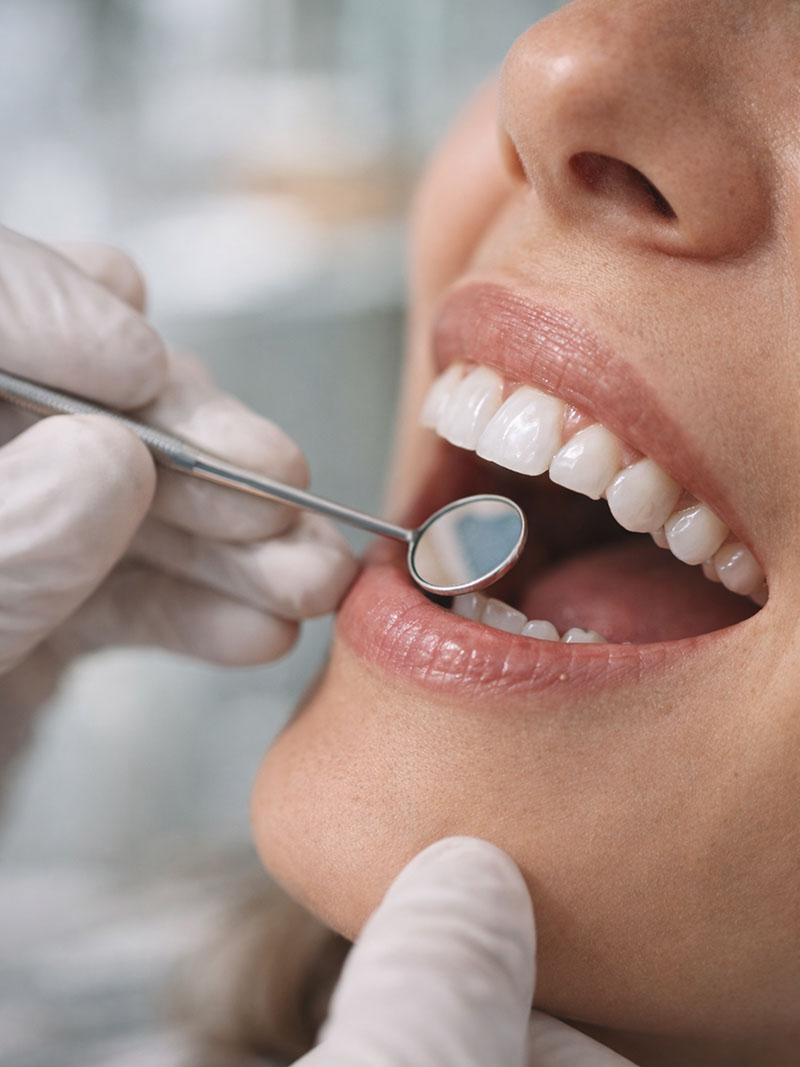
A thorough exam and digital imaging help your dentist see what is happening below the gumline before recommending treatment. In many cases, modern restorative dentistry can save a tooth with a filling, crown, root canal, or periodontal treatment. When a tooth cannot be predictably restored, removing it and planning the right replacement can protect your smile, comfort, and long-term health.
When Do Teeth Need Extraction Instead of Repair?
Dentists generally preserve natural teeth whenever possible. Your own tooth has a natural root system, supports the surrounding jawbone, and may require less treatment than a replacement. Still, there are situations where repair is unlikely to last or where waiting may allow a problem to become more serious.
Decay that has destroyed too much tooth structure
A cavity may begin as a small area of softened enamel, but untreated decay can spread deep into the tooth. If there is enough healthy structure above the gumline, a filling or crown may restore it. If decay has extended far below the gumline or left too little stable tooth material to support a restoration, extraction may be the more reliable choice.
This decision depends on the location of the damage, the condition of the root, and whether a crown can be securely placed. A tooth that looks badly broken is not automatically beyond saving, which is why an examination matters.
A severe infection that cannot be resolved predictably
A root canal can often save a tooth with an infected or inflamed nerve. The procedure removes infected tissue, disinfects the root canals, and seals the tooth so it can function again, often with a protective crown.
Extraction may be advised if the infection persists after appropriate treatment, the root is severely compromised, or the tooth cannot be restored afterward. Facial swelling, fever, trouble swallowing, or difficulty breathing can signal a spreading infection and requires urgent dental or medical attention. Do not wait for the pain to become unbearable - dental infections do not reliably resolve on their own.
A crack that extends into the root
Small cracks can sometimes be protected with a crown, especially when they are found early. A vertical root fracture, however, is much more difficult to treat. Because bacteria can enter through the crack and irritate the surrounding bone and gums, a tooth with a deep root fracture often needs extraction.
Cracked teeth can be difficult to diagnose. Pain when biting, sensitivity that comes and goes, or discomfort when you release a bite may be clues. Imaging, magnification, and a hands-on evaluation help determine whether the crack is limited and repairable or extends too far below the gumline.
Advanced gum disease and loose teeth
Periodontal disease affects the gums and the bone that supports the teeth. In earlier stages, professional cleaning, improved home care, and periodontal therapy can help stabilize the condition. In advanced disease, a tooth may become loose because too much surrounding bone has been lost.
A loose tooth is not always a tooth that must be removed. The cause matters. But when bone loss is severe and the tooth cannot function comfortably or safely, extraction may prevent recurring infection and make room for a healthier replacement plan.
Trauma that cannot be rebuilt
Falls, sports injuries, and accidents can fracture a tooth or damage the surrounding bone. Some injuries can be treated with bonding, a crown, root canal therapy, or splinting. Others leave the tooth split, displaced beyond repair, or damaged below the gumline.
Prompt care makes a meaningful difference after dental trauma. If a permanent tooth is knocked out, handle it by the crown rather than the root, gently rinse it if dirty, and seek emergency dental care immediately. In some situations, rapid treatment may allow the tooth to be replanted.
Teeth That May Be Removed for Planning or Prevention
Not every extraction is caused by damage or infection. Wisdom teeth are commonly removed when they are impacted, repeatedly infected, causing decay in a neighboring tooth, contributing to gum problems, or creating pain and pressure. Some wisdom teeth can be monitored if they are healthy, fully erupted, easy to clean, and not harming adjacent teeth.
Orthodontic treatment occasionally includes planned extractions when severe crowding prevents teeth from aligning into a stable, healthy bite. This is not a routine shortcut. An orthodontic evaluation considers facial balance, bite function, available space, and the long-term position of the teeth before recommending it.
In certain cases, a tooth may also be removed to prepare for a full-mouth restoration or a denture. The goal should remain the same: create a comfortable, functional result that is easier to maintain.
Signs You Should Schedule an Evaluation Soon
Tooth problems rarely improve by being ignored. Contact a dentist promptly if you have ongoing tooth pain, a pimple-like bump on the gums, swelling, a bad taste that keeps returning, pain when biting, a loose tooth, or a tooth that has broken near the gumline.
You should also make an appointment if an old crown is loose, a large filling has fallen out, or food repeatedly gets trapped around one tooth. These concerns may be treatable before extraction becomes necessary. Early care often means more options and a less complex procedure.
If swelling is spreading, you have fever, you cannot open your mouth normally, or you have trouble breathing or swallowing, seek urgent care right away. These symptoms can indicate a serious infection that needs immediate attention.
What Happens Before and During a Tooth Extraction?
A good extraction plan begins with diagnosis, not assumptions. Your dentist will review your symptoms and medical history, examine the tooth and gums, and take imaging to evaluate the roots, bone, nearby teeth, and any infection. You should understand why extraction is being recommended, whether there are reasonable alternatives, and what replacement options may be appropriate.
Most extractions are completed with local anesthetic, so you should feel pressure but not sharp pain. If you feel anxious, discuss comfort options before the procedure. For a tooth that is fully visible and accessible, a simple extraction may be all that is needed. Impacted teeth, broken roots, or complex surgical cases may require a surgical extraction and a specialist-led approach.
Afterward, a blood clot forms in the socket and protects the healing area. Follow your post-treatment instructions closely. For the first day or two, avoid smoking, drinking through a straw, forceful rinsing, and strenuous activity, as these can disturb the clot and increase the risk of dry socket. Soft foods, prescribed or recommended medication, and gentle oral hygiene support a smoother recovery.
Replacing an Extracted Tooth Protects More Than Appearance
A missing tooth can change the way you chew and speak, but its effects can extend further. Nearby teeth may shift into the open space, and the jawbone in that area can gradually lose volume. This can affect your bite and, over time, the appearance of your smile.
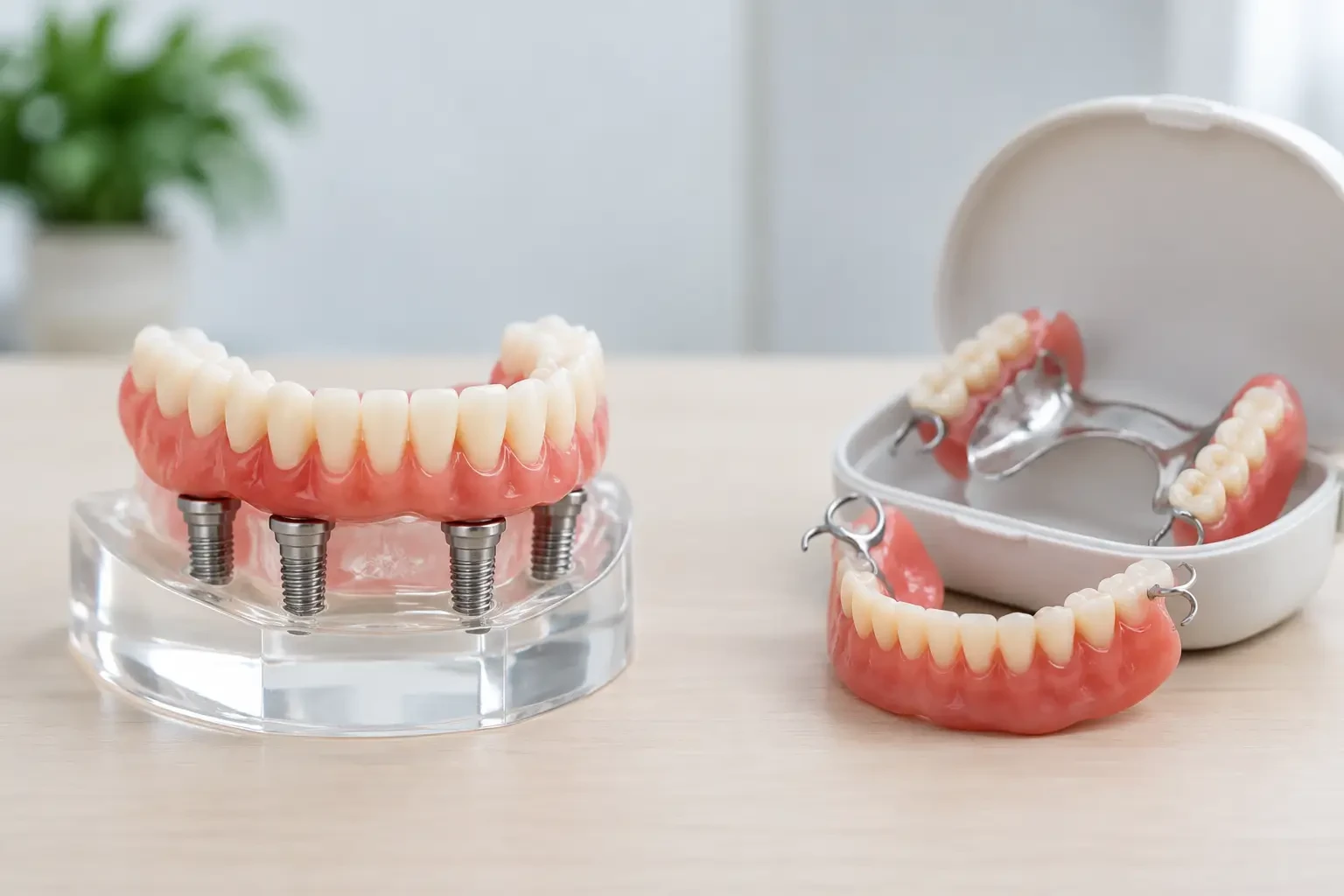
Depending on your needs, replacement may involve a dental implant, bridge, partial denture, or full denture. An implant is often an excellent option because it replaces the root as well as the visible tooth, helping support the jawbone. It is not the right choice for every patient, however. Bone levels, gum health, overall health, treatment timeline, and budget all help shape the best plan.
Sometimes immediate replacement is possible; other times, healing first creates a better foundation. Your dentist can explain the trade-offs clearly so you can choose a solution that fits your health goals and daily life.
At Rio Colorado Dental Group, coordinated care from general dentists and specialists can make that process feel more straightforward, whether you need to save a tooth, remove it safely, or restore your smile afterward. If something feels wrong, trust that signal and schedule an evaluation early. The right answer may be simpler than you expect, and timely care gives your smile the best chance to stay healthy and confident.
Recommendations